We have all been there—waking up with a scratchy throat, a stuffy nose, and that heavy feeling in your chest. When a cold strikes, you want something fast, warm, and effective to make you feel human again. While there are many medicines at the pharmacy, sometimes the best remedy is sitting right in your kitchen.
People have been drinking lemon ginger tea for hundreds, if not thousands, of years to stay healthy. It is more than just a warm drink; it is a powerful “winter tonic” designed to help your body fight off bugs. In this guide, we will show you exactly how to make a soothing hot lemon tea and explain why these simple ingredients are so good for you.
Table of Contents
Why Hot Lemon Tea is Your Best Friend During Cold Season
When you are sick, your body needs two main things: hydration and warmth. Staying well-hydrated is one of the most important steps to getting better. Hot liquids like tea help to hydrate your tissues and relax the muscles in your throat that get tired from coughing.
Hot lemon tea also helps “cut through” the mucus that makes you feel congested. This makes it easier to breathe and helps clear out the gunk that traps bacteria in your lungs. Plus, the ritual of sipping a warm mug is incredibly relaxing, which helps you get the rest you need to recover.
The Science Behind the Ingredients
You might wonder if “kitchen cures” actually work. The truth is, the ingredients in this tea have been studied for years. Here is a breakdown of what they do:
Lemon: The Vitamin C Powerhouse
Lemons are famous for being a top source of Vitamin C and antioxidants. Vitamin C is essential because it can reduce how long a cold lasts and how severe your symptoms feel. It also helps boost your immune system so you can fight off future infections.
Ginger: The Natural Inflammation Fighter
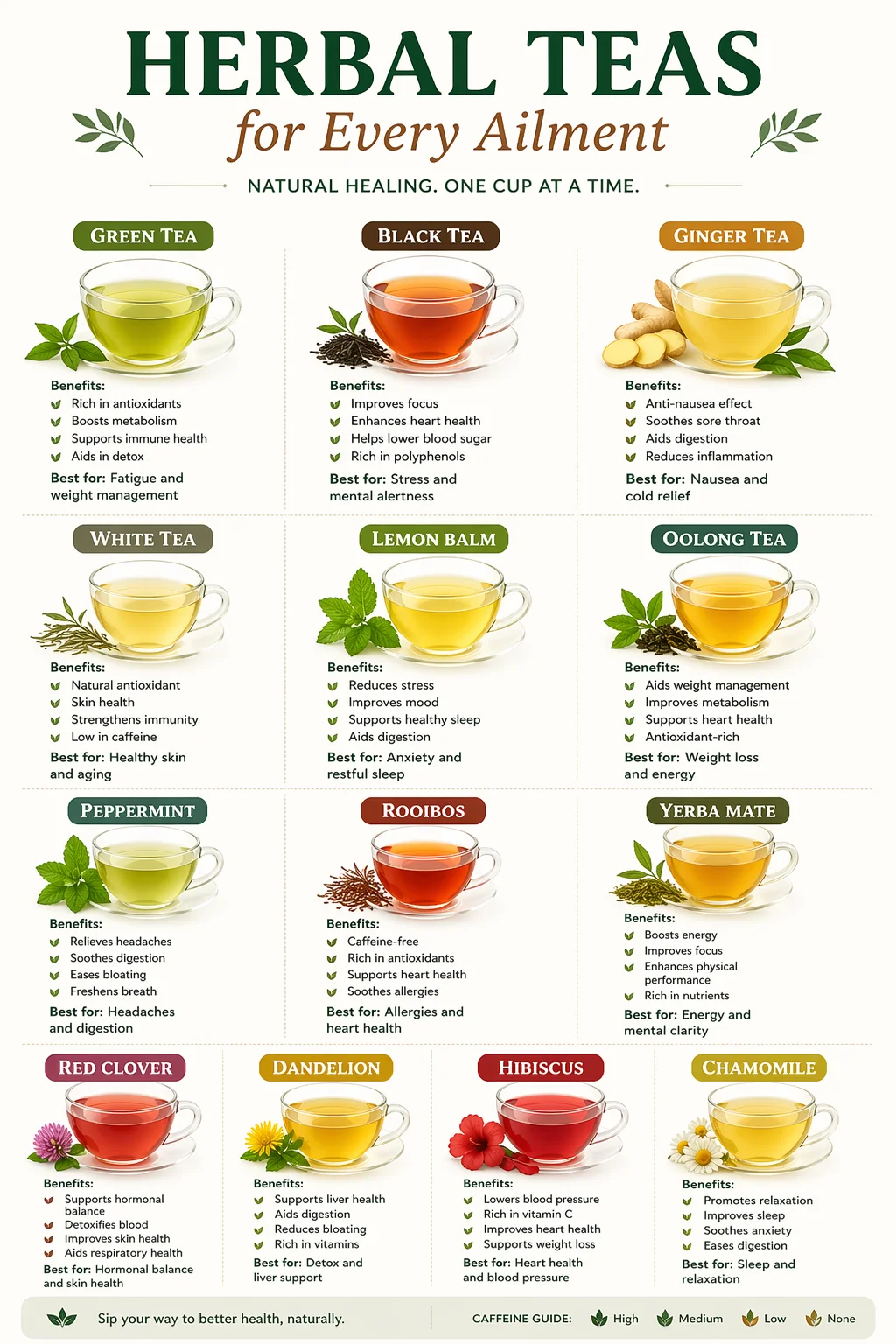
Ginger contains a special compound called gingerol. This helps reduce inflammation in the body, which can ease a sore throat or muscle aches. Ginger is also known for its antibacterial properties and its ability to settle an upset stomach or nausea.
Honey: Nature’s Cough Syrup
Honey is more than just a sweetener. Research shows that honey can actually perform better than many over-the-counter cough medicines. It acts as a “demulcent,” meaning it coats your throat to reduce irritation and stops the urge to cough.
Important Note: Never give honey to a baby under the age of one. It can cause a rare but serious condition called infant botulism.
Classic Hot Lemon and Ginger Tea Recipe
This recipe is simple, fast, and uses fresh ingredients for the best flavor and health benefits.
Ingredients:
- Water: 1 to 4 cups (depending on how much you want to make).
- Fresh Ginger: A 1-inch piece, peeled and sliced or grated.
- Fresh Lemon: 1 whole lemon (half for juice, half sliced into rings).
- Honey: 1 to 2 tablespoons (adjust to your taste).
Step-by-Step Instructions:
- Boil the Water: Bring your water to a rolling boil in a small pot or kettle.
- Add the Ginger: Put your sliced or grated ginger into the boiling water. Let it boil for at least 5 to 10 minutes to really get the juices out. For a stronger flavor, you can boil it for up to 20 minutes.
- Add the Lemon: Squeeze the juice of half a lemon into the pot. You can also add thin slices of the lemon rind for extra flavor.
- Steep: Turn off the heat and let the mixture sit for a minute. If you like black tea, you can add a tea bag or loose leaves now and let them steep for 2 minutes.
- Sweeten with Honey: Once the tea has cooled slightly, stir in your honey. Pro-tip: Don’t add honey to boiling water, as very high heat can reduce some of its healthy properties.
- Strain and Serve: Pour the tea through a strainer into your favorite mug and enjoy it while it’s hot.
Variations to Boost Your Immunity
If you want to take your tea to the next level, try adding these “boosters” that offer even more relief:
- Cinnamon: Adding a cinnamon stick or a pinch of ground cinnamon adds warmth and provides antibacterial benefits.
- Turmeric: A pinch of turmeric is a massive anti-inflammatory boost that helps with body aches.
- Black Pepper: Surprisingly, a tiny crack of black pepper helps your body absorb nutrients like turmeric better and aids digestion.
- Mint Leaves: Fresh mint can help open up your sinuses and settle your stomach.
- Thyme: This herb contains flavonoids that help relax the muscles involved in coughing.
Tips for Making the Perfect Cup
To get the most out of your hot lemon tea, keep these simple “hacks” in mind:
- The Spoon Trick: The easiest way to peel fresh ginger is not with a knife, but by using the edge of a metal spoon to scrape off the skin.
- Juicing Hard Lemons: If your lemon is hard and difficult to squeeze, roll it on the counter with your palm for a few seconds. You can also microwave it for 5 to 10 seconds to make it easier to juice.
- Reuse Your Ingredients: You don’t have to throw the ginger and lemon away after one cup! You can top up the pot with more water and boil them a second time for another batch of tea.
- Avoid Bitterness: If you leave lemon slices with the “pith” (the white part of the skin) in the water for too long, the tea can become bitter. Remove the slices after a few minutes if you prefer a sweeter taste.
Important Safety Precautions to Remember
While hot lemon tea is generally safe, there are a few things to keep in mind:
- Medication Interactions: Ginger can act as a mild blood thinner. If you are taking medications like warfarin or aspirin, check with your doctor before drinking large amounts of ginger tea.
- Diabetes and Blood Pressure: Ginger can lower blood sugar and blood pressure, so be careful if you are on medication for those conditions.
- Protect Your Teeth: The acid in lemons can eventually wear down your tooth enamel. To protect your teeth, you can drink the tea through a straw or rinse your mouth with plain water afterward.
- Pregnancy: If you are pregnant, ginger tea is excellent for nausea, but always consult your doctor before using herbal remedies. Avoid certain herbs like licorice root or sage unless your doctor says they are okay.
When to See a Doctor
Home remedies like lemon tea are great for managing symptoms, but they are not a “cure-all.” Tea can soothe a sore throat, but it cannot cure a bacterial infection like strep throat.
You should stop playing doctor and visit a clinic if you experience:
- A very high fever.
- Difficulty breathing or fast breathing.
- White patches on your tonsils.
- Symptoms that do not get better after 3 days.
Conclusion
A hot cup of lemon tea is a simple, time-tested way to find relief during a cold. By combining the Vitamin C of lemons, the anti-inflammatory power of ginger, and the soothing properties of honey, you are giving your body the support it needs to heal. It is easy to make, delicious to drink, and much more natural than many store-bought options.
The next time you feel a sniffle coming on, don’t wait! Head to your kitchen, grab a lemon and some ginger, and brew yourself a mug of comfort.
Frequently Asked Questions (FAQs)
1. Can I drink lemon tea every day?
Yes! It is a healthy, low-calorie drink that can be enjoyed daily to help with digestion and hydration.
2. Is it okay for kids to drink this?
Absolutely. For kids, you might want to skip the black tea to avoid caffeine and add a little extra honey to make it more kid-friendly. Just remember: no honey for babies under 1 year old.
3. Can I use bottled lemon juice instead of fresh?
While you can, fresh lemon juice is “imperative” for the best flavor and the highest amount of Vitamin C.
4. Can I store leftover tea?
Yes. You can keep leftover tea in the refrigerator for 2 to 3 days. You can drink it chilled or reheat it when you’re ready.