

Have you ever wondered if that warm cup of lemon tea you’re sipping is actually doing its job? Lemon tea—a simple blend of hot water, tea leaves, and a splash of citrus—has become a global sensation for anyone looking to boost their health; however, most people don’t realize that when you drink it is just as important as what is in the cup! From kickstarting your metabolism in the morning to soothing your stomach before bed, the timing of your tea can change how your body reacts to it.
In this guide, we will dive into the science of lemon tea, explore the perfect schedule for your daily brew, and learn how to get those amazing antioxidants into your system without harming your teeth or stomach.

What is Lemon Tea?
At its core, lemon tea is a functional beverage that combines the health-promoting qualities of tea (usually green or black) with the souring and nutritional power of fresh lemon juice. In the world of culinary science, lemon is known as a “souring agent,” meaning it uses citric acid to create a physical and chemical change in the food or drink it is added to.
When you add lemon to tea, you aren’t just changing the flavor; you are performing a bit of “kitchen chemistry.” Tea contains unique antioxidants called catechins, which are known to reduce the risk of heart disease and cancer. Unfortunately, our bodies are not very good at absorbing them during digestion, often losing up to 80% of these nutrients. The citric acid and Vitamin C in lemon act as a stabilizer, helping your body absorb these antioxidants up to five times more effectively!
The Best Times to Drink Lemon Tea
The “right” time to drink lemon tea depends entirely on what you want to achieve! Are you looking for energy, better digestion, or a flatter stomach? Let’s break down the three main windows of opportunity.
1. Drinking Lemon Tea in the Morning
Many fitness enthusiasts swear by a morning cup of lemon water or tea, and for good reason! Sipping lemon tea before your breakfast can:
- Stimulate Digestion: The acidity helps your body produce digestive juices and bile, preparing your system to handle the day’s meals.
- Control Appetite: Starting your day with this ritual can make you feel fuller, which might lead to eating fewer calories during breakfast.
- Detoxify: On an empty stomach, the citric acid helps purify the liver by eliminating toxins from the body.
2. After a Heavy Meal
If you’ve just enjoyed a rich North Indian meal—perhaps some butter-heavy dal makhani or paranthas—lemon tea is your best friend.
- Reduce Bloating: Having lemon tea after a meal aids in the breakdown of food and helps alleviate that “stuffy” post-meal feeling.
- Cleanse the Palate: It acts as a refreshing drink that neutralizes excess acidity and refreshes your mouth after spicy food.
- pH Balance: Despite being acidic outside the body, lemon tea has an alkalizing effect that can help balance the pH levels in your stomach, potentially reducing heartburn.
3. Before Bedtime
A warm cup of lemon-ginger tea at night can be incredibly soothing.
- Sleep Quality: It helps you feel warm, relaxed, and calm, which is perfect for a generation that often struggles to stay asleep.
- Relieve Constipation: Drinking this warm liquid before bed can calm your digestive system and provide relief from chronic constipation.
Comparison
To help you decide when to schedule your tea break, look at this quick comparison:
| Feature | Morning (Before Meal) | After Meal |
|---|---|---|
| Primary Goal | Kickstart metabolism & weight loss | Improve digestion & reduce bloating |
| Digestion Impact | Stimulates production of bile | Aids food breakdown |
| Appetite | Helps control hunger | Cleanses the palate |
| Body Response | Sets a positive tone for the day | Neutralizes heavy or rich foods |
Important: Don’t Ruin Your Tea (The Temperature Rule)
Here is a mistake almost everyone makes: adding lemon to boiling hot tea! Vitamin C is extremely heat-sensitive. The structure of Vitamin C begins to break down at just 86°F (30°C), and it can be significantly damaged at 140°F (60°C). If you squeeze lemon into a bubbling pot of tea, you are destroying the very nutrients you want!
Actionable Tip: Always let your tea cool down for a few minutes before adding the lemon juice. This ensures you keep the Vitamin C intact so it can help preserve those valuable tea antioxidants.
Protecting Your Teeth and Stomach
While lemon tea is a health superstar, it does have a “sharp” side. Because lemons are highly acidic, regular consumption can lead to tooth enamel erosion.
How to Drink Lemon Tea Safely:
- Use a Straw: This bypasses your teeth and protects the enamel from the acid attack.
- Rinse Immediately: After finishing your tea, rinse your mouth with plain tap water to return your saliva to a neutral pH.
- The 1-Hour Rule: Never brush your teeth immediately after drinking lemon tea! Your enamel is softened by the acid, and brushing will actually wear it away faster. Wait at least one hour.
- Avoid Empty Stomachs if Sensitive: If you suffer from severe acid reflux or GERD, avoid lemon tea on a completely empty stomach to prevent heartburn.
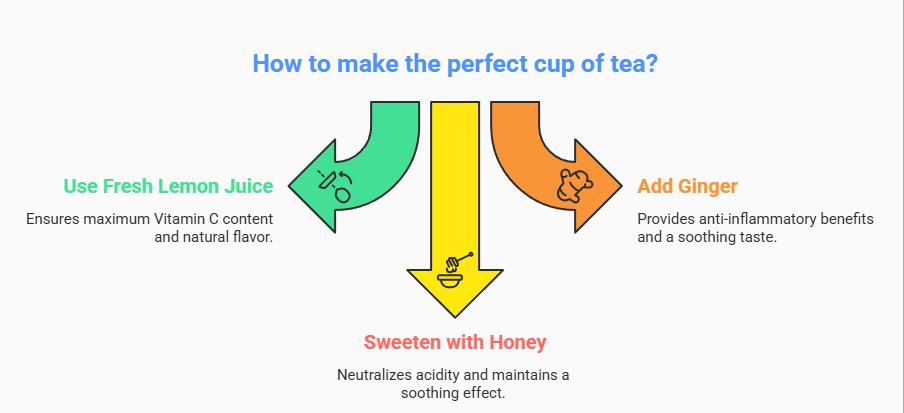
Frequently Asked Questions (FAQs)
Q1: Can lemon tea help me lose weight?
Yes! Ginger and lemon can increase satiety (the feeling of being full) and boost your metabolism, helping you stay fit and trim.
Q2: Is it okay to drink lemon tea every night?
Absolutely. Lemon-ginger tea is an herbal tonic that helps with sleep and digestion. Just remember to rinse your mouth afterward to protect your teeth!
Q3: Can I add lemon to green tea?
It is actually recommended! The lemon helps your body absorb the catechins in green tea five times better than if you drank it plain.
Q4: Should I use hot or cold water?
Warm or room-temperature liquids are generally more soothing to the digestive system and promote better digestion.
Summery
Lemon tea is more than just a tasty beverage; it is a powerful tool for your health—if you use it correctly! By drinking it in the morning for energy, after meals for digestion, or at night for relaxation, you can tailor its benefits to your lifestyle. Just remember the golden rules: let the tea cool before adding the lemon, use a straw to protect your smile, and enjoy the natural boost of antioxidants. Happy sipping!
The following external references were cited within the Indian Cooking textbook:
- Philosophy of Indian Food: http://www.yourarticlelibrary.com/foods/philosophy-of-indian-food/86790
- Mindful Office Meals: https://www.waiter.com/blog/specialty-cuisines/mindful-office-meals-indian-food-ayurvedic-philosophy-bring-clarity-work
- Indian Cuisine (Wikipedia): https://en.wikipedia.org/wiki/Indian_cuisine
- Ayurvedic uses of Marjoram: http://www.indianmirror.com/ayurveda/marjoram.html
- Common Pastes in Indian Cooking: http://www.yourarticlelibrary.com/home-science/cooking-home-science/list-of-14-most-common-pastes-used-in-indian-cooking/86804
- Tips for Buying Spices: http://www.simplebites.net/spices-101-what-you-need-to-know-about-buying-spices/