

Imagine waking up to a crisp morning, the sunlight just beginning to peek through your window, and you are holding a steaming mug of zesty, fragrant lemon tea; it feels like a “golden drink,” doesn’t it? Many of us reach for this citrusy beverage because it tastes refreshing and carries a “health halo” that makes us feel like we are making a great choice for our bodies. But when it comes to your strict diet or weight loss goals, you might find yourself asking: How many calories are actually in my cup, and is it truly helping me shed those extra pounds?
In this guide, we are going to dive deep—very deep—into the nutritional world of lemon tea (covering everything from its basic definition to its surprising effects on metabolism). Whether you are a student, a fitness enthusiast, or just someone trying to eat better, understanding the numbers behind your favorite drink is the first step toward reaching your health targets!
Imagine waking up to a crisp morning, the sunlight just beginning to peek through your window, and you are holding a steaming mug of zesty, fragrant lemon tea; it feels like a “golden drink,” doesn’t it? Many of us reach for this citrusy beverage because it tastes refreshing and carries a “health halo” that makes us feel like we are making a great choice for our bodies. But when it comes to your strict diet or weight loss goals, you might find yourself asking: How many calories are actually in my cup, and is it truly helping me shed those extra pounds?

In this guide, we are going to dive deep—very deep—into the nutritional world of lemon tea (covering everything from its basic definition to its surprising effects on metabolism). Whether you are a student, a fitness enthusiast, or just someone trying to eat better, understanding the numbers behind your favorite drink is the first step toward reaching your health targets!
What Exactly Is Lemon Tea?
Before we look at the numbers, let’s define our drink! Lemon tea is essentially a beverage created by combining a tea base—such as black, green, or even a caffeine-free herbal variety—with freshly squeezed lemon juice or lemon peel. While the tea provides powerful antioxidants called polyphenols, the lemon adds a punch of Vitamin C and bioactive flavonoids.

Some people prefer a simpler version: just warm water mixed with lemon. While this is often called “lemon water,” it overlaps significantly with lemon tea in terms of hydration and its ability to provide dietary citrate. However, the real “magic” (and the calories) often depends on what else you decide to stir into that mug!
The Calorie Breakdown: Unsweetened vs. Sweetened
If you are on a diet, the word “calories” is likely always on your mind. The good news? Plain, unsweetened lemon tea is incredibly low in calories.
According to nutritional data, a plain cup of tea with lemon juice typically contains fewer than 5 calories. If we look at it by weight, lemon tea has roughly 1 calorie and 0 grams of carbohydrates per 100 grams. This makes it a fantastic, near-zero-calorie option for anyone trying to stay hydrated without the “sugary high” of sodas or fruit juices.
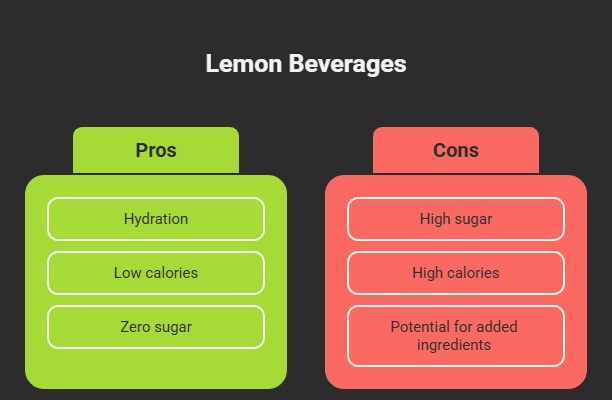
However, the numbers change drastically once you start adding sweeteners or buying pre-made versions from a café. Let’s look at the comparisons below:
Comparison Table: Lemon Tea Calories
| Type of Beverage | Serving Size | Calories (Approx.) | Sugar Content |
|---|---|---|---|
| Plain Lemon Water | 476g (approx. 2 cups) | 0.4 kcal | 0g |
| Unsweetened Lemon Tea | 1 Cup | < 5 kcal | 0g |
| Sweetened Black Tea w/ Lemon | 1 Cup (271g) | 122 kcal | 26g |
| Starbucks Iced Black Lemon Tea | Tall (354ml) | 74 kcal | 18g |
| Starbucks Iced Black Lemon Tea | Venti (591ml) | 149 kcal | 36g |
As you can see, a single tablespoon of honey or a couple of teaspoons of sugar can turn a diet-friendly drink into a source of “hidden calories”. For example, one teaspoon of sugar adds about 16 calories and 4.2 grams of sugar to your drink.
Is Lemon Tea a “Magic” Weight Loss Drink?
You have probably seen social media posts claiming that lemon tea “melts belly fat” or is a “miracle solution” for obesity. Let’s set the record straight: There is no scientific proof that lemon tea can quickly burn belly fat on its own.
Losing weight—especially around the midsection—requires a holistic approach: a balanced diet (calorie deficit), regular exercise, and healthy lifestyle changes. However, lemon tea does support your diet in several helpful ways:
- A Low-Calorie Alternative: By replacing high-calorie drinks like lattes or sodas with unsweetened lemon tea, you naturally lower your daily calorie intake.
- Metabolism Boost: If your lemon tea uses a green or black tea base, the caffeine and antioxidants (like catechins) can temporarily increase your metabolic rate and promote calorie burning.
- Better Digestion: The acidity of lemon can jump-start your stomach acids, helping your body process food and absorb nutrients more efficiently.
- Reduced Bloating: Lemons may help reduce water retention, which can make your belly appear flatter temporarily, even if it isn’t actually “burning” the fat away.
Does Lemon Tea Break Your Fast?
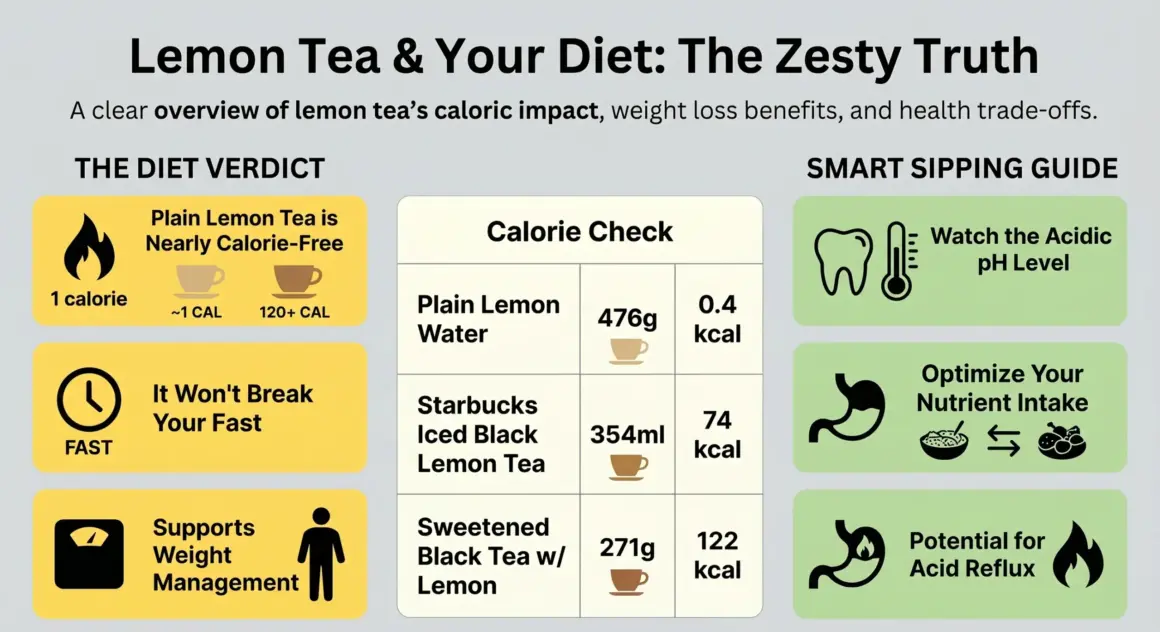
For those following Intermittent Fasting (IF), the question of whether a drink “breaks the fast” is vital. Scientifically speaking, plain lemon water or unsweetened lemon tea contains so few calories that it will not break your fast.
Studies have shown that individuals can consume low-calorie beverages—like herbal tea or even lemon water—and still maintain ketosis (the state where your body burns fat for fuel).
Important Rule: If you add sugar, honey, or milk to your lemon tea, it will kick you out of your fast because those ingredients contain significant calories. If you are fasting for religious purposes (like Ramadan) or strict medical reasons, even plain lemon tea might be restricted, so always check the specific rules of your fast.
The Health Benefits You Should Know
Beyond just the calories, lemon tea offers a variety of “wellness wins” that support a dieting body:
- Immunity Support: It is packed with Vitamin C, which helps your immune system fight off colds and infections.
- Heart Health: Regular tea consumption may support cardiovascular health when part of an active lifestyle.
- Iron Absorption: If you drink lemon tea between meals, the Vitamin C can actually help your body absorb iron better from your food.
- Kidney Health: The natural citrate in lemons may help reduce the risk of certain types of kidney stones.
Potential Side Effects and Risks
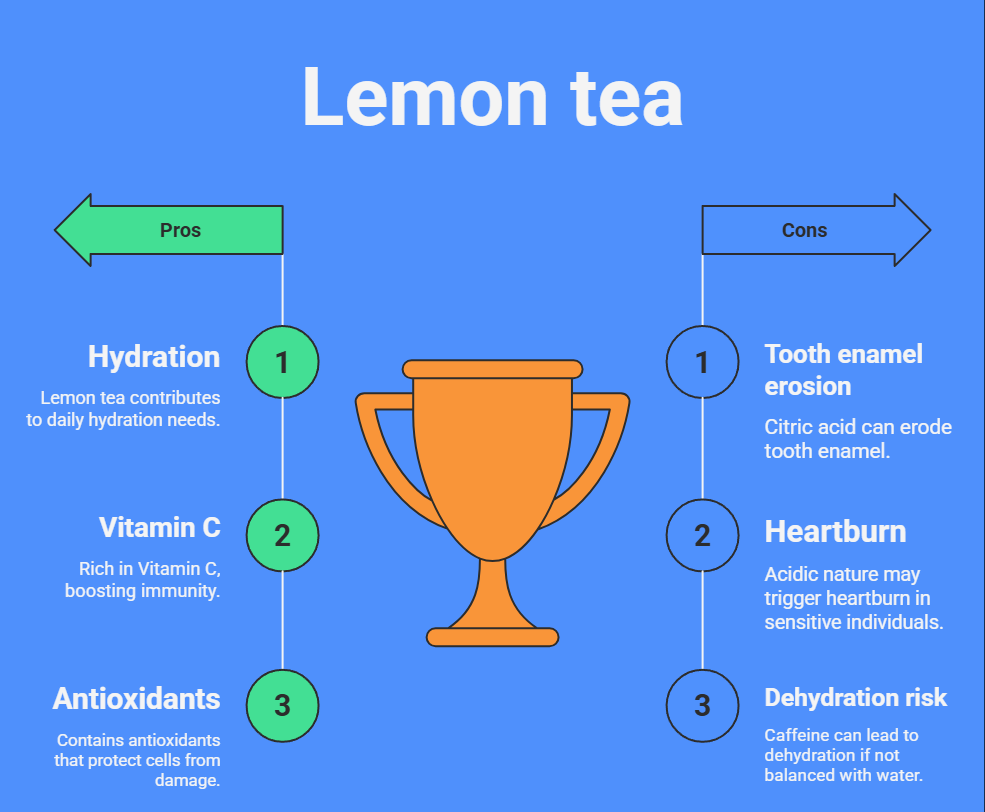
Even a “perfect” drink has its downsides if you overdo it! Lemon tea is highly acidic, which can cause issues for some people.
- Tooth Enamel Erosion: The citric acid can slowly wear down your tooth enamel. Pro-tip: Rinse your mouth with plain water after drinking, or use a straw to protect your teeth.
- Heartburn and Acid Reflux: If you have a sensitive stomach or suffer from GERD, the acid in lemon tea can trigger painful heartburn.
- Dehydration Risk: Caffeine is a diuretic, meaning it makes you urinate more frequently. If you drink massive amounts of caffeinated lemon tea without balancing it with plain water, you could risk a mild electrolyte imbalance.
Actionable Tips for Your Diet
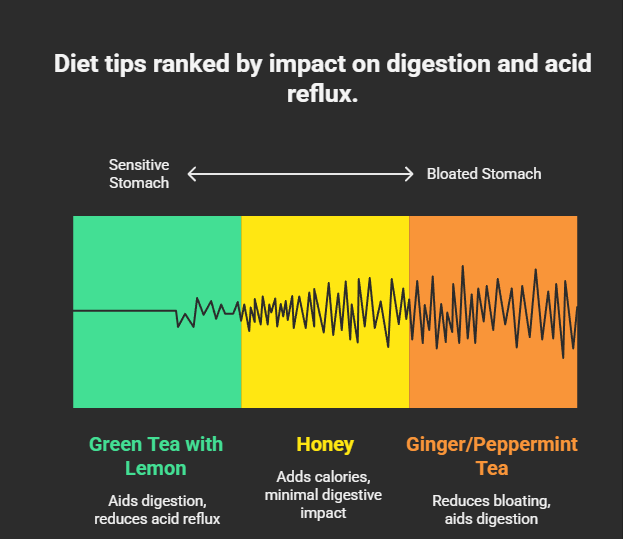
- The Right Time: Many people love a cup first thing in the morning to “jump-start” their metabolism. However, if you have a sensitive stomach, try drinking it 30 minutes after a meal to help with digestion and reduce the risk of acid reflux.
- The Best Base: Use green tea with lemon to maximize antioxidants or ginger/peppermint tea with lemon if you are feeling bloated.
- Watch the Add-ins: If you need sweetness, use a tiny amount of honey, but remember that it adds calories.
Conclusion
So, is lemon tea good for your diet? Absolutely—as long as you keep it unsweetened! It is a refreshing, nearly calorie-free way to stay hydrated, boost your immunity, and support your digestive system. While it isn’t a “magic wand” that will vanish fat overnight, it is an excellent “habit anchor” that can replace sugary drinks and help you maintain a calorie deficit.
Remember: moderation is key. Stick to 1–2 cups a day to enjoy the benefits without worrying about your tooth enamel or stomach acid. Happy sipping!
FAQs
1. Is it okay to drink lemon tea every day?
Yes! For most healthy adults, 1–2 cups per day is perfectly safe and provides a nice boost of Vitamin C. Just be mindful of the acidity if you have sensitive teeth or stomach issues.
2. How many calories are in lemon tea with one teaspoon of honey?
A teaspoon of honey adds about 21 calories. Since plain lemon tea is near zero, your total would be roughly 21–25 calories per cup.
3. Does lemon tea help with gas or bloating?
Yes, often. The warm liquid and the citric acid can help relax the digestive tract and reduce the feeling of being “weighed down” after a heavy meal.
Trusted Sources & References
- Harvard T.H. Chan School of Public Health: How Sweet Is It? (Beverage Sugar Guide)
- Healthline (Medically Reviewed): Does Lemon Water Break Your Fast?
- National Institutes of Health (NIH): Antioxidants and Health
- University of Otago Research (via THIP): Vitamin C and Obesity Links
- U.S. Department of Agriculture (USDA): FoodData Central – Tea and Citrus Nutrition