
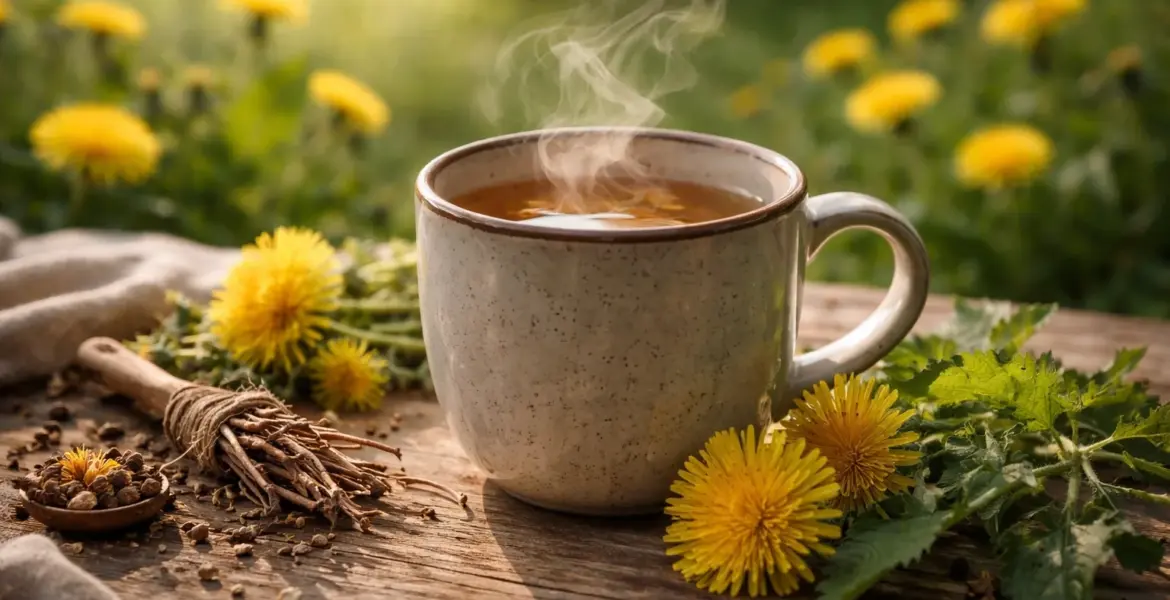
Iron deficiency is one of the most common nutritional problems worldwide. It can make you feel tired, weak, and even dizzy. Many people turn to tea for comfort and health benefits, but here’s the catch—some teas can actually make iron deficiency worse.
So, what tea is good for iron deficiency? The answer is not as simple as picking any tea. Some teas support iron levels, while others block iron absorption.
In this guide, you’ll learn which teas to drink, which ones to avoid, and how to enjoy tea without harming your iron levels.
Understanding Iron Deficiency and Tea
Iron is essential for making hemoglobin, a protein in your blood that carries oxygen. When your iron levels are low, your body struggles to function properly.
According to global health data, nearly 30% of the world’s population may experience anemia, often due to iron deficiency.
Now, where does tea fit into this?
Tea contains compounds called tannins and polyphenols. These can bind to iron (especially plant-based iron) and reduce how much your body absorbs.
However, not all teas behave the same way.
Teas That Are Good for Iron Deficiency
If you’re wondering what tea is good for iron deficiency, herbal teas are your best choice. They are naturally caffeine-free and usually low in tannins.
1. Nettle Tea
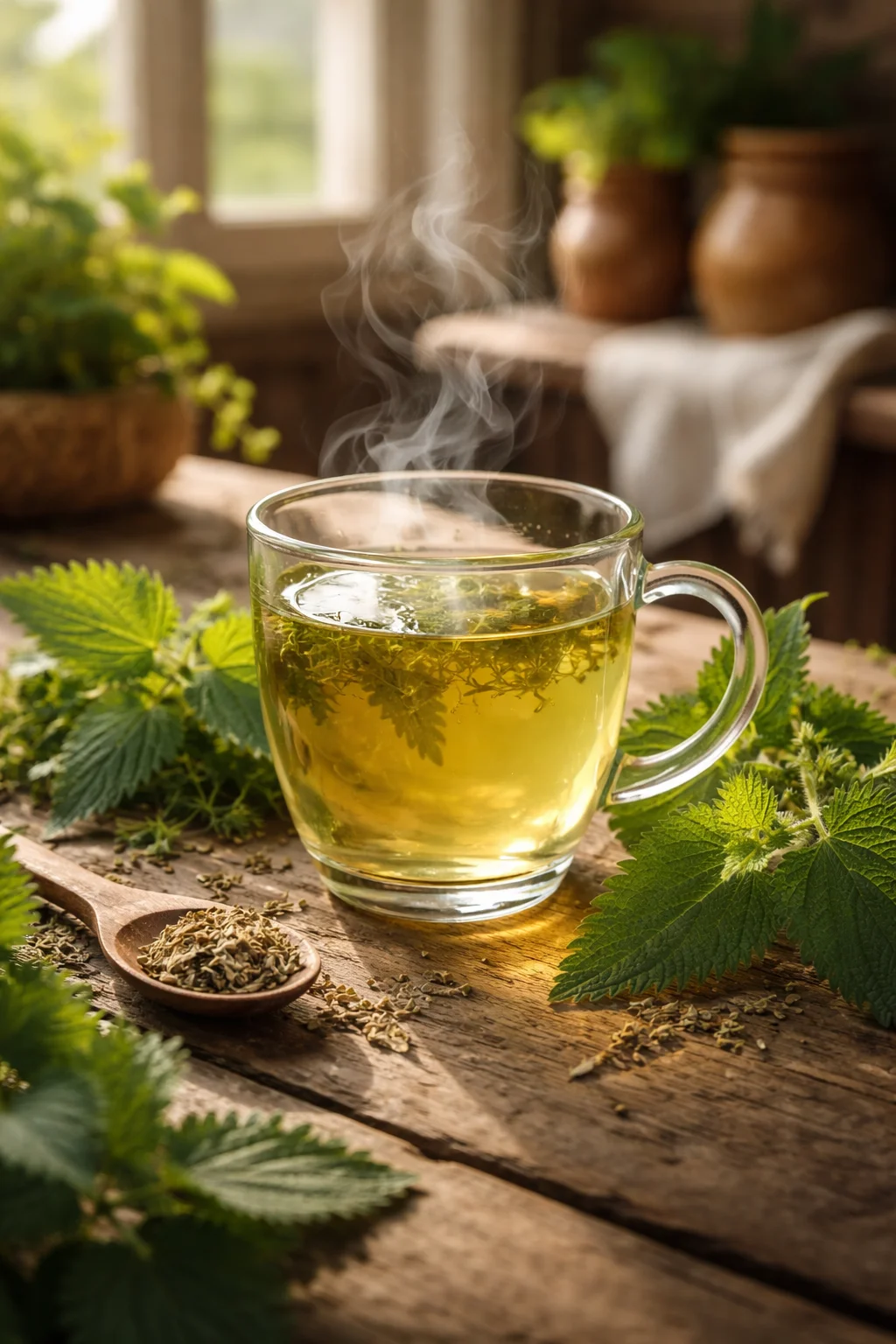
Nettle tea is one of the best teas for people with low iron.
It is made from the leaves of the stinging nettle plant and is naturally rich in nutrients, including iron.
Why it helps:
- Contains plant-based iron
- Rich in vitamin C, which improves iron absorption
- Supports overall blood health
Drinking nettle tea regularly can gently support your iron levels over time.
Does green tea reduce iron absorption?
Yes, green tea can reduce iron absorption, particularly non-heme iron, the type of iron found in plant-based foods such as spinach, lentils, beans, nuts, seeds, and fortified cereals. This effect occurs because green tea contains natural compounds called polyphenols, especially catechins (such as EGCG), which can bind to iron in the digestive tract and make it more difficult for the body to absorb. source
2. Dandelion Tea
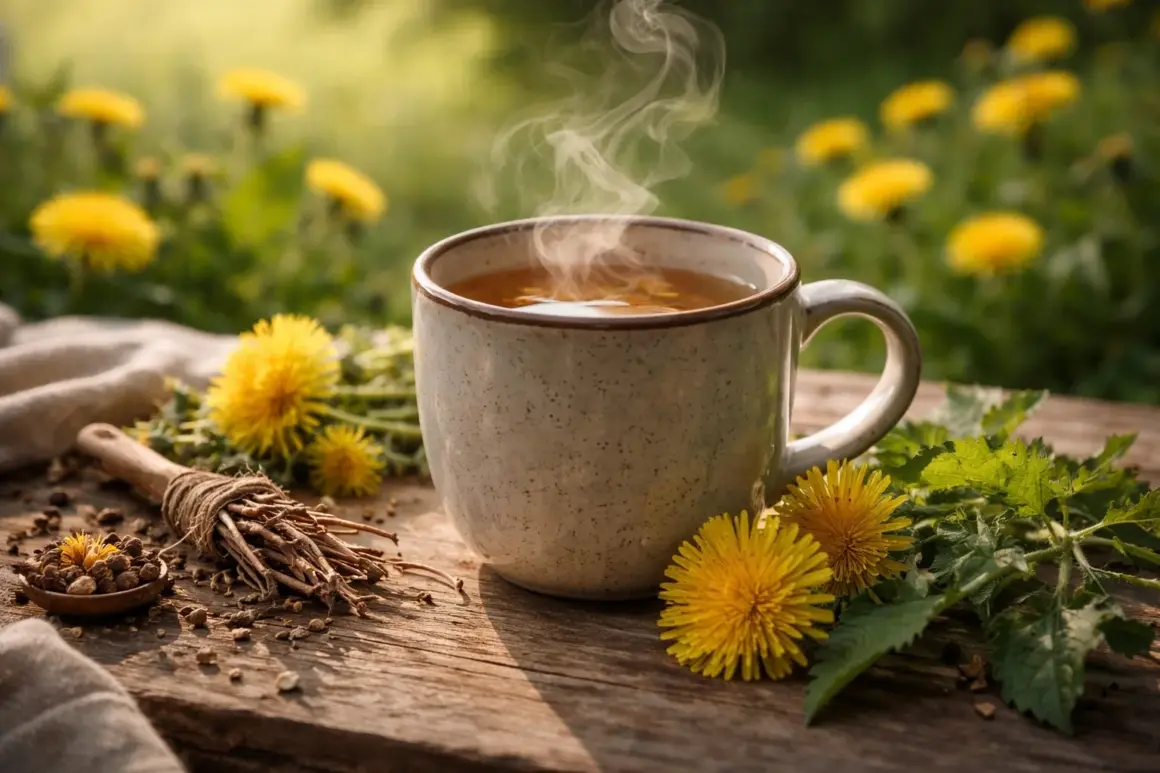
Dandelion tea is another excellent option.
It is packed with vitamins and minerals and supports digestion, which helps your body absorb nutrients better.
Benefits:
- Supports liver health
- Helps improve nutrient absorption
- Contains trace minerals including iron
While it doesn’t have high iron content, it helps your body use iron more efficiently.
3. Ginger Tea
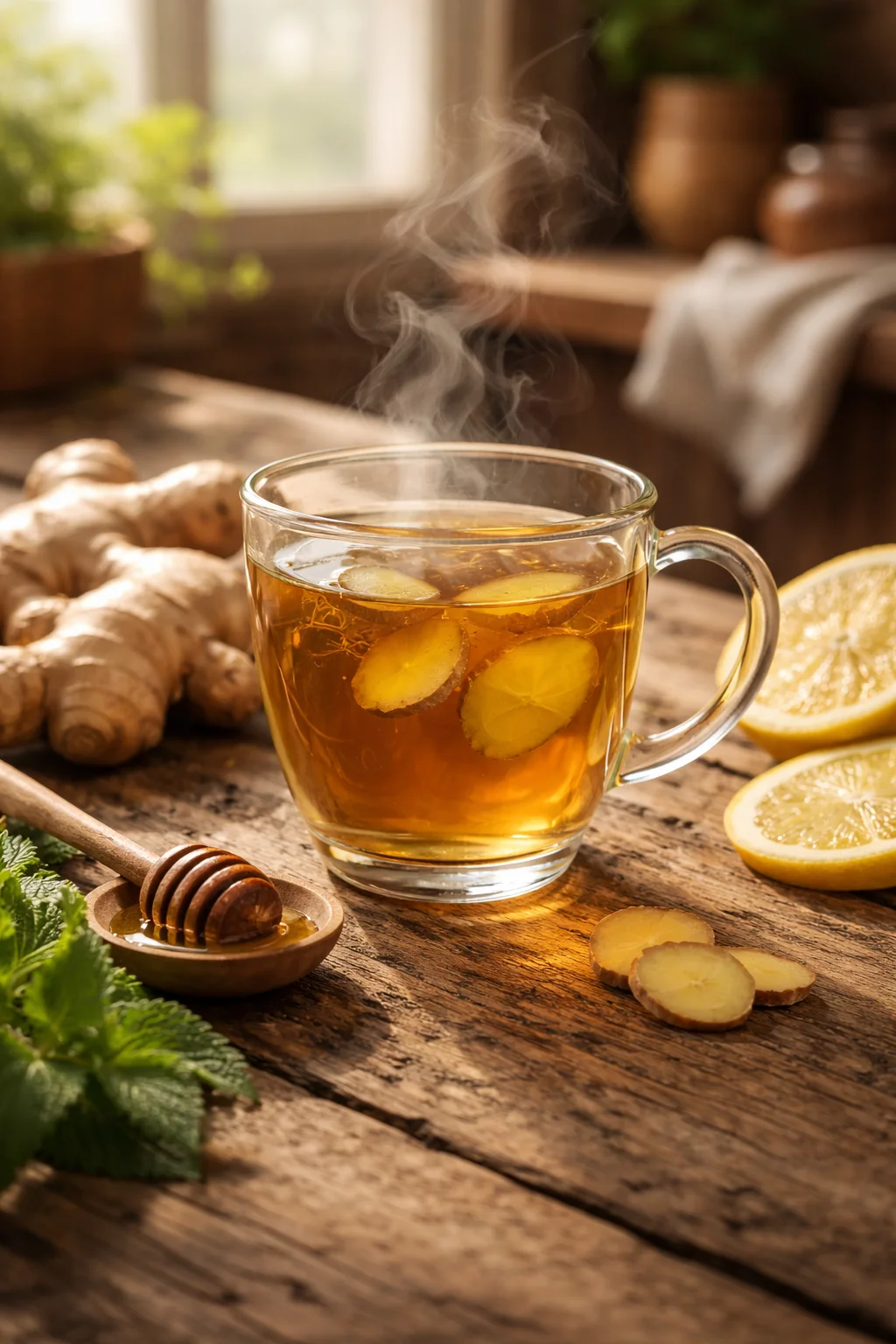
Ginger tea is not rich in iron, but it plays an important role.
How it helps:
- Improves digestion
- Reduces inflammation
- May help the body absorb nutrients better
You can drink ginger tea alongside iron-rich meals to support absorption.
4. Hibiscus Tea (With Caution)
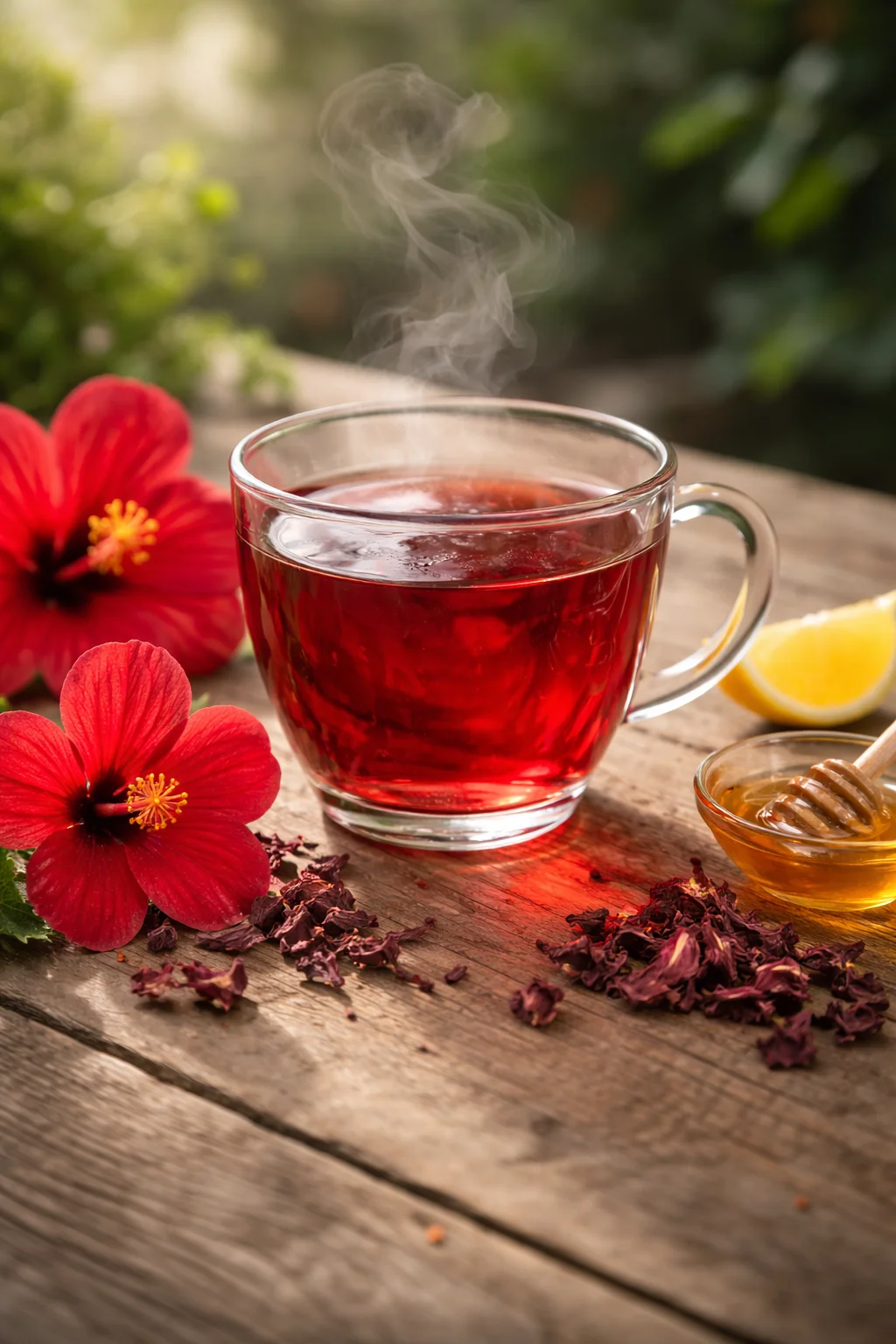
Hibiscus tea is rich in vitamin C, which is great for iron absorption.
Why it’s helpful:
- High in antioxidants
- Boosts vitamin C intake
- Supports iron absorption
However, it also contains some polyphenols, so moderation is key.
5. Rooibos Tea
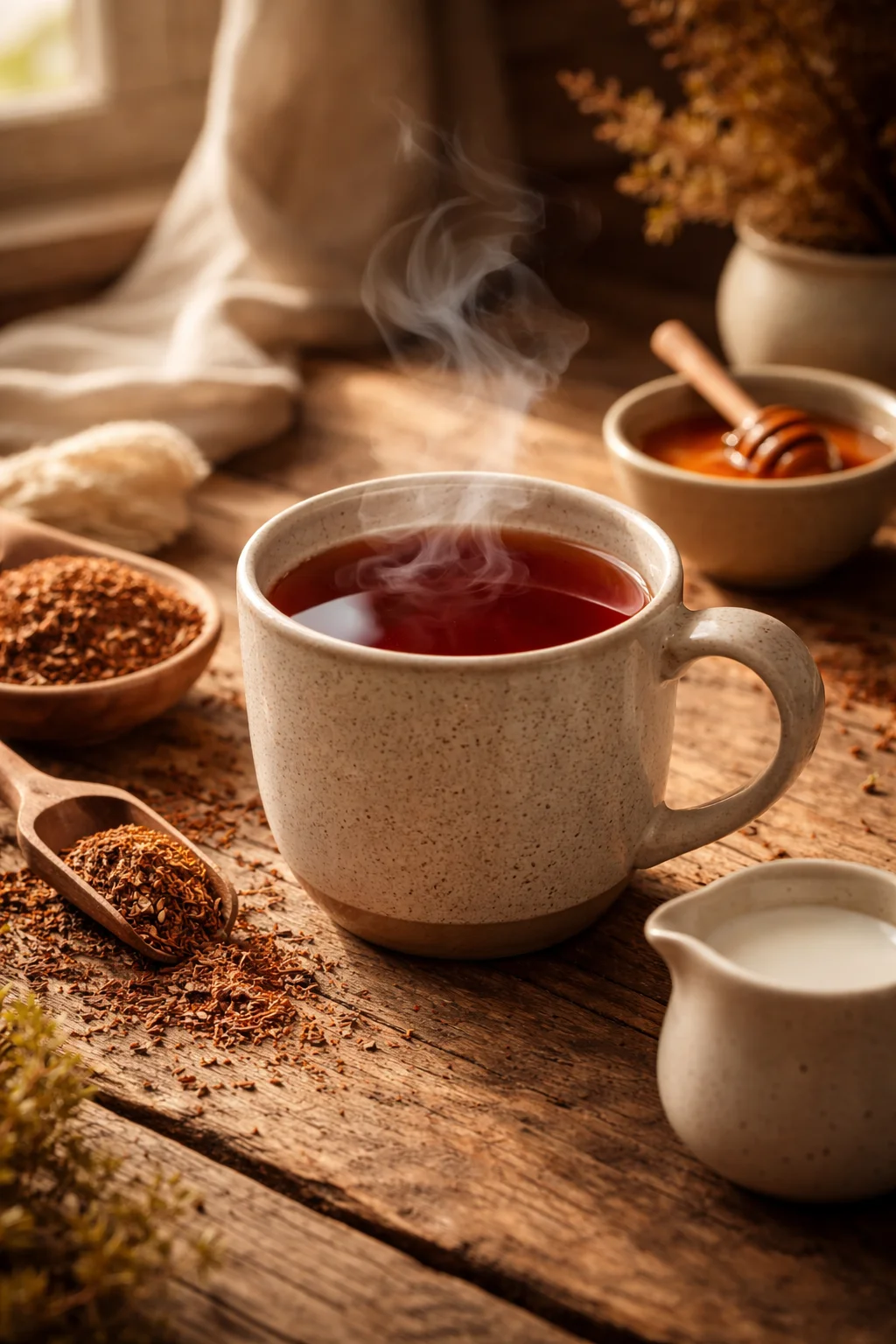
Rooibos tea is a fantastic alternative to traditional tea.
Why rooibos stands out:
- Naturally caffeine-free
- Very low in tannins
- Rich in antioxidants
It does not significantly block iron absorption, making it a safe daily option.
Does rooibos tea affect iron absorption? Rooibos tea is often considered a better option than regular tea for iron absorption. Unlike black or green tea, rooibos is naturally caffeine-free and contains very low levels of tannins, compounds known to reduce iron absorption. Because of this, drinking rooibos tea is less likely to interfere with your body’s absorption of iron from foods. However, it is still a good idea to avoid drinking any tea immediately after iron-rich meals, especially if you have low iron levels or anemia. Waiting at least 30–60 minutes after eating can help your body absorb iron more effectively.
Teas to Avoid If You Have an Iron Deficiency
While exploring what tea is good for iron deficiency, it’s equally important to know what to avoid.
1. Black Tea
Black tea is one of the biggest blockers of iron absorption.
It contains high levels of tannins, which bind to iron in your food.
Impact:
- Can reduce iron absorption by up to 60–70% when consumed with meals
2. Green Tea
Green tea is often seen as healthy, but it can still interfere with iron.
Why to be careful:
- Contains polyphenols
- Reduces non-heme iron absorption
3. Oolong Tea
Oolong tea falls somewhere between black and green tea.
It also contains compounds that reduce iron absorption.
Best Time to Drink Tea for Iron Deficiency
Timing matters just as much as the type of tea.
If you love traditional tea and don’t want to give it up, here’s what you can do:
- Drink tea at least 1–2 hours before or after meals
- Avoid tea during iron-rich meals
- Pair meals with vitamin C-rich foods instead
This simple habit can make a big difference.
Tips to Improve Iron Absorption While Drinking Tea
You don’t have to completely stop drinking tea. Just follow these smart tips:
1. Add Lemon to Your Tea
Vitamin C helps your body absorb iron better. Adding lemon to herbal tea is a great idea.
2. Choose Herbal Teas More Often
Switching to herbal options like nettle or rooibos can protect your iron levels.
3. Avoid Tea With Meals
This is one of the most important rules.
4. Eat Iron-Rich Foods
Include foods like:
- Spinach
- Lentils
- Dates
- Red meat (if you eat non-veg)
5. Use Cast Iron Cookware
Cooking in cast iron pans can slightly increase iron content in food.
Simple Tea Routine for Iron Deficiency
Here’s an easy daily routine you can follow:
Morning:
Start your day with nettle tea or warm lemon water
Midday (with meals):
Avoid tea, focus on iron-rich foods
Afternoon:
Enjoy rooibos or ginger tea
Evening:
Light herbal tea like dandelion
This routine allows you to enjoy tea without harming your iron levels.
Common Myths About Tea and Iron
Let’s clear up a few misunderstandings.
Myth 1: All Tea Is Bad for Iron
Not true. Herbal teas can actually help.
Myth 2: You Must Quit Tea Completely
Also false. Timing and choice matter more.
Myth 3: Green Tea Is Always Safe
Green tea is healthy, but not ideal for people with low iron.
Conclusion
So, what tea is good for iron deficiency?
The best choices are herbal teas like nettle, rooibos, ginger, and dandelion. These teas either support iron levels or do not interfere with absorption.
On the other hand, traditional teas like black, green, and oolong should be limited, especially around meals.
With the right approach, you can still enjoy tea while improving your iron levels. Small changes in your tea habits can lead to better energy, improved health, and overall well-being.
FAQs
1. Can I drink tea if I have iron deficiency?
Yes, but choose herbal teas and avoid drinking tea with meals.
2. Which tea has the most iron?
Nettle tea is one of the best herbal teas that contains iron.
3. Does green tea reduce iron levels?
Yes, it can reduce iron absorption, especially if consumed with meals.
4. Is rooibos tea good for anemia?
Yes, rooibos tea is low in tannins and safe for people with iron deficiency.
5. How long should I wait to drink tea after eating?
Wait at least 1–2 hours after meals to avoid blocking iron absorption.
Key Takeaways
- Herbal teas are the best answer to what tea is good for iron deficiency
- Nettle tea is especially helpful due to its iron content
- Rooibos tea is a safe, daily alternative to regular tea
- Avoid black, green, and oolong tea with meals
- Timing your tea intake is crucial for maintaining healthy iron levels
- Pair iron-rich foods with vitamin C for better absorption
I’m not sure where you’re getting your information, but good topic.
I needs to spend some time learning much more or understanding more.
Thanks for fantastic information I was looking for this information for my mission.