

Struggling with head pain? Discover the best tea for headaches and migraines. From ginger to peppermint, learn how natural brews can help you feel better fast!
We have all been there. You are trying to focus on school or work, but a dull throb starts behind your eyes. Soon, it feels like a tiny hammer is hitting your skull. Whether it is a “regular” tension headache from stress or a severe migraine that makes you sensitive to light and sound, head pain is the worst.
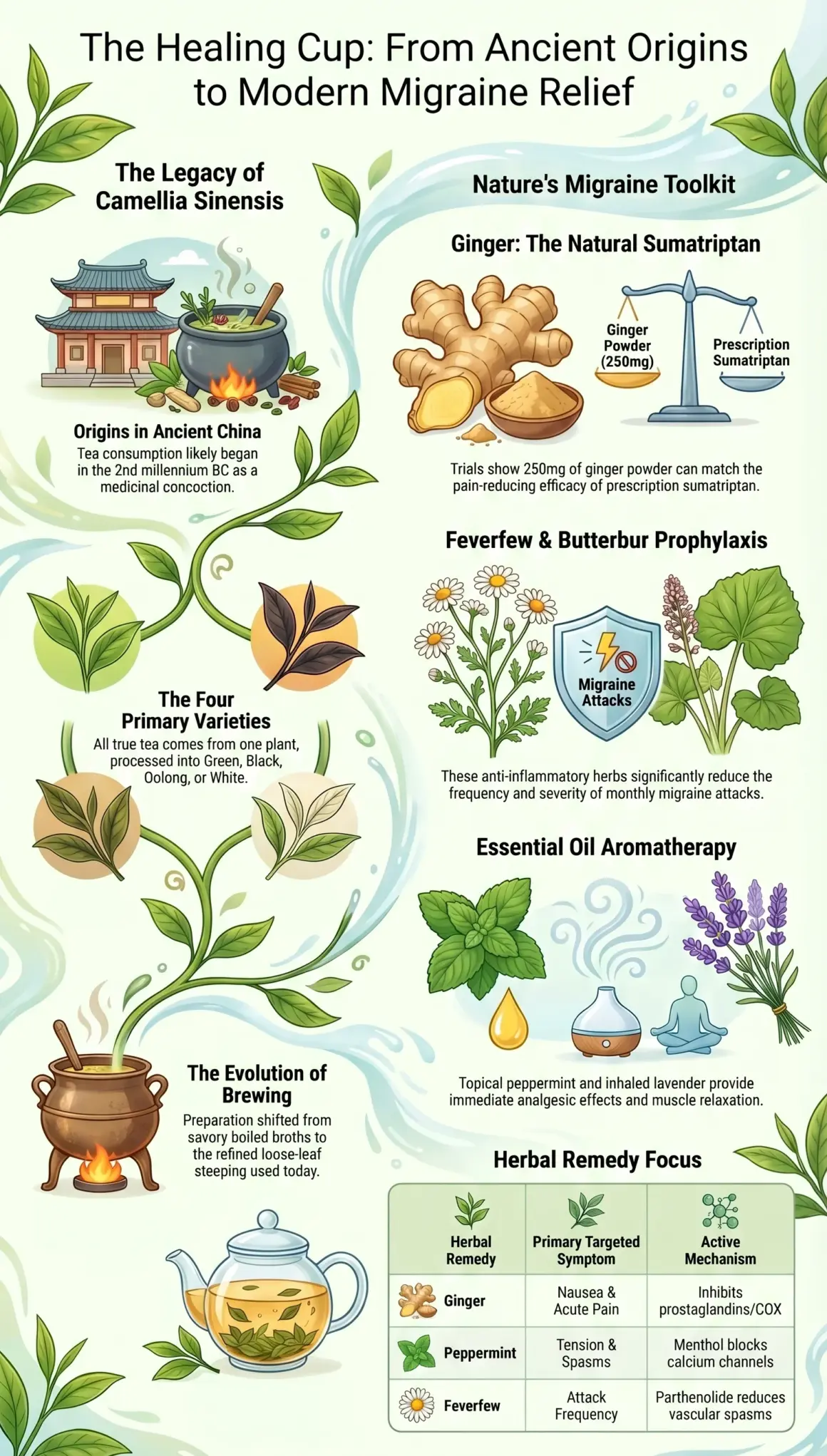
While reaching for a pill bottle is common, many people are looking for a more natural way to find relief. This is where tea comes in! For thousands of years, people have used plants to heal the body. In fact, tea was first discovered in ancient China around 2700 B.C. and was used primarily as medicine.
Today, we know that certain herbal brews can actually help calm the nerves, reduce swelling, and block pain signals. In this guide, we will explore the best teas for headaches and explain what tea is good for tension headaches, so you can get back to feeling like yourself.
Understanding Your Headache: Tension vs. Migraine
Before we dive into the teas, it helps to know what kind of pain you have.
- Tension Headaches: These are the most common. They usually cause mild to moderate pain on both sides of your head, often feeling like a tight band is wrapped around your forehead.
- Migraines: These are much more intense. They often throb on just one side of the head and can cause nausea, vomiting, and extreme sensitivity to light or sound.
The Top 10 Best Teas for Headaches and Migraines
1. Ginger Tea: The Migraine Specialist
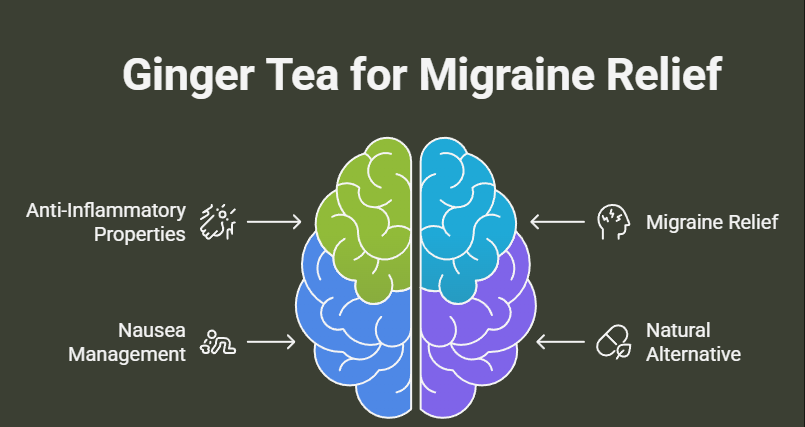
Ginger is a superstar in the world of natural medicine. It has been used for centuries to treat pain and stomach issues.
- Why it works: Ginger contains compounds like gingerol and shogaol that fight inflammation. A 2014 study even found that ginger powder was almost as effective at stopping a migraine as a common prescription drug called sumatriptan.
- Best for: Migraines, especially if you feel sick to your stomach (nausea).
2. Peppermint Tea: The Tension Tamer
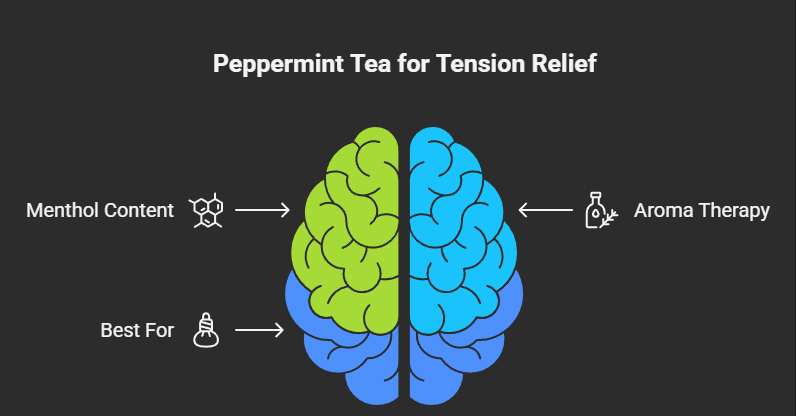
If you are wondering what tea is good for tension headaches, peppermint is your best friend.
- Why it works: The secret ingredient is menthol. Menthol helps relax muscles and can reduce the intensity of a headache. Some studies show that even just the smell of peppermint can help you feel better.
- Best for: Tension headaches and feeling refreshed.
🌿 How Peppermint Tea Helps
1. Relaxes Muscles: Peppermint contains menthol, which helps relax muscles. This can reduce tension in the head and neck, which is a common cause of headaches.
2. Improves Blood Flow: Menthol may improve blood circulation. Better blood flow can help ease headache pain and reduce pressure in the head.
3. Reduces Stress: Drinking warm peppermint tea has a calming effect on the mind. It helps reduce stress and anxiety, which are common triggers for headaches.
4. Helps With Sinus Headaches: Peppermint tea can open nasal passages and reduce sinus pressure. This makes it helpful for headaches caused by colds or sinus congestion.
3. Chamomile Tea: The Stress Reliever
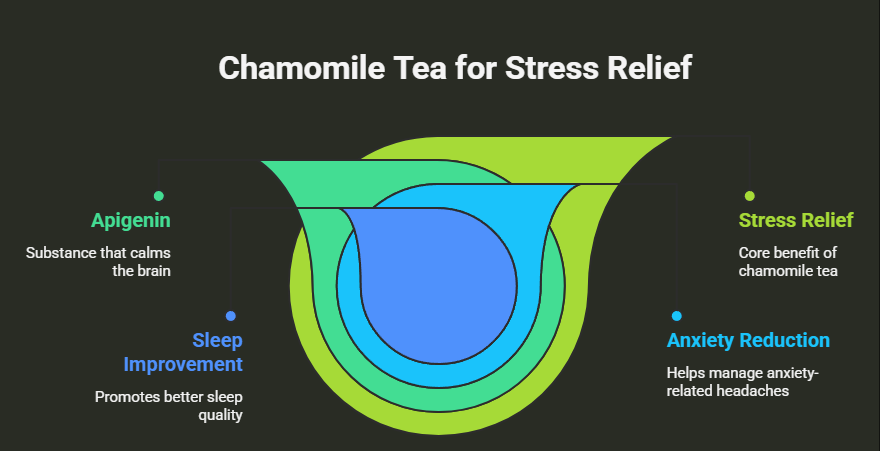
Sometimes a headache is just your body’s way of saying, “I’m too stressed!”. Chamomile is famous for helping people relax and sleep better.
- Why it works: It contains a substance called apigenin, which tells your brain it is time to calm down. By lowering your stress and anxiety, chamomile can stop a tension headache before it gets worse.
- Best for: Anxiety-related headaches and help with sleeping.
4. Feverfew Tea: The Ancient Guardian
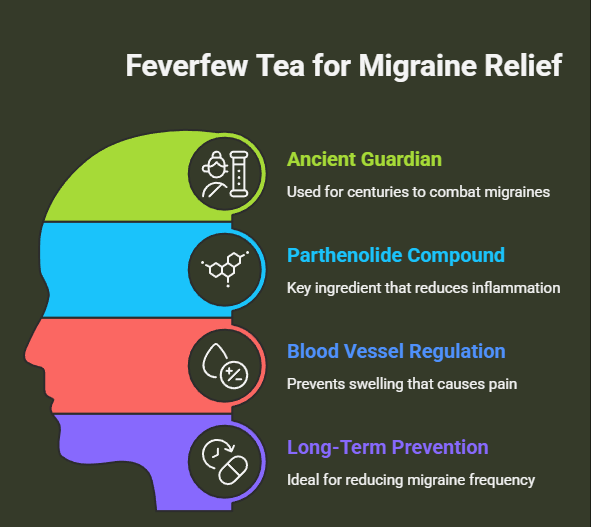
Feverfew is a wildflower that belongs to the same family as daisies. It has been used for a very long time specifically to prevent and treat migraines.
- Why it works: It contains a compound called parthenolide. This compound helps stop the release of chemicals in your brain that cause blood vessels to swell and trigger pain.
- Best for: Long-term migraine prevention and reducing how often you get them.
5. Willow Bark Tea: Nature’s Aspirin
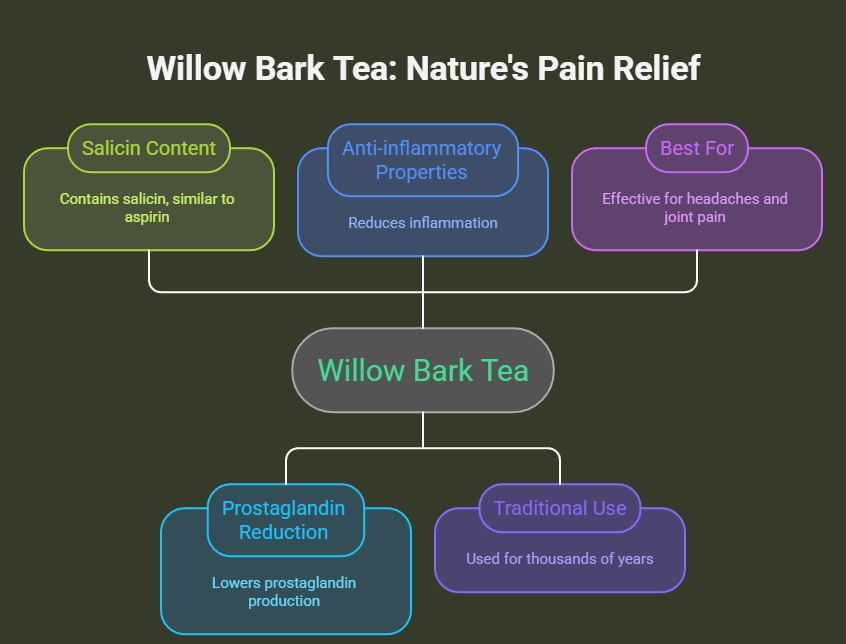
Did you know the original aspirin came from a tree? Willow bark contains salicin, which is chemically very similar to the aspirin you find in stores.
- Why it works: Salicin reduces the production of prostaglandins, which are the “messengers” in your body that tell you that you are in pain. It has been used for thousands of years to treat inflammation.
- Best for: Dull, aching headaches and joint pain.
6. Turmeric Tea: The Swelling Fighter
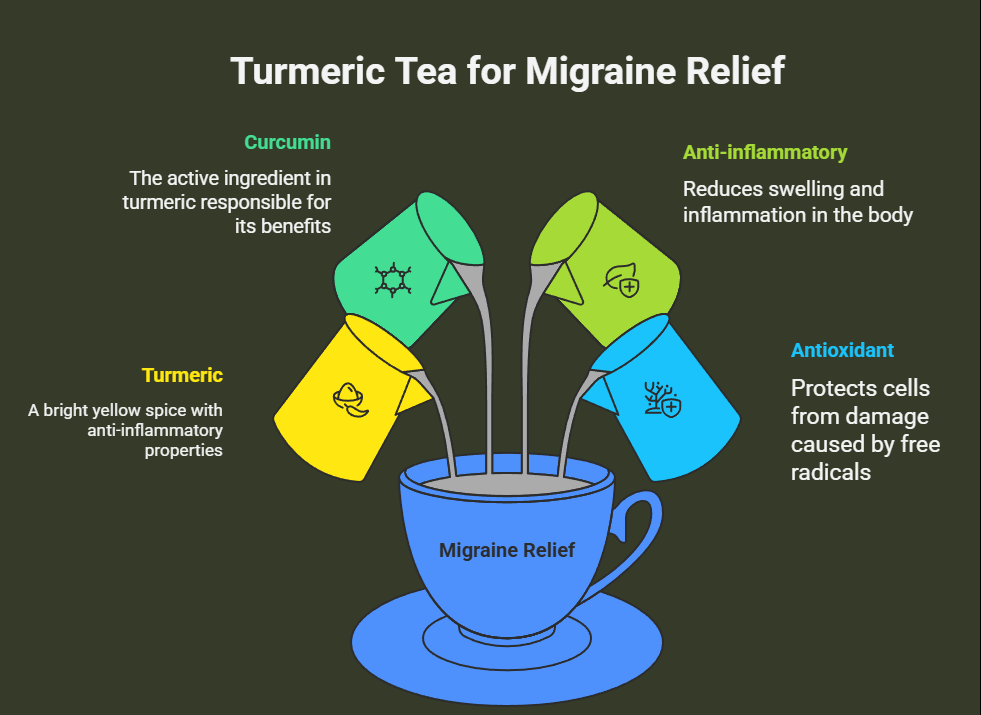
Turmeric is that bright yellow spice often used in curry. It is incredibly healthy because of an active ingredient called curcumin.
- Why it works: Curcumin is a powerful anti-inflammatory and antioxidant. Research suggests it can help reduce how long a migraine lasts and how much it hurts.
- Best for: Chronic headaches and general body inflammation.
7. Lavender Tea: The Calming Scent
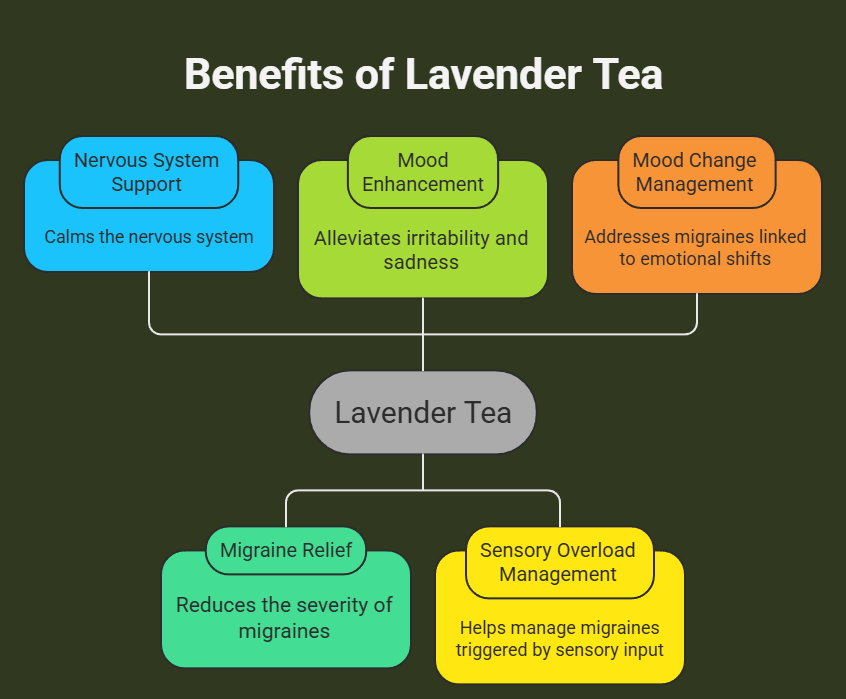
Most people use lavender for its smell, but drinking it as a tea is also great for your head.
- Why it works: Lavender is known to soothe the nervous system. It can help reduce the severity of a migraine, especially if your head pain is making you feel irritable or sad.
- Best for: Migraines triggered by sensory overload or mood changes.
8. Lemon Balm Tea: The Gentle Soother

Lemon balm is a lemony-scented herb that is part of the mint family. It is a gentle but effective way to handle a “nervous” headache.
- Why it works: It contains rosmarinic acid, which helps relax muscles and dilate (widen) blood vessels to improve flow.
- Best for: Stress-induced headaches and digestive-related head pain.
9. Valerian Root Tea: The Deep Relaxer

Valerian is a strong herb often used for people who can’t sleep.
- Why it works: It increases the levels of a chemical called GABA in the brain. This has a sedative effect, which means it helps you relax deeply. This can be very helpful for headaches caused by extreme muscle tension.
- Best for: Tension headaches at night or when you need to sleep off the pain.
10. Clove Tea: The Pain Blocker
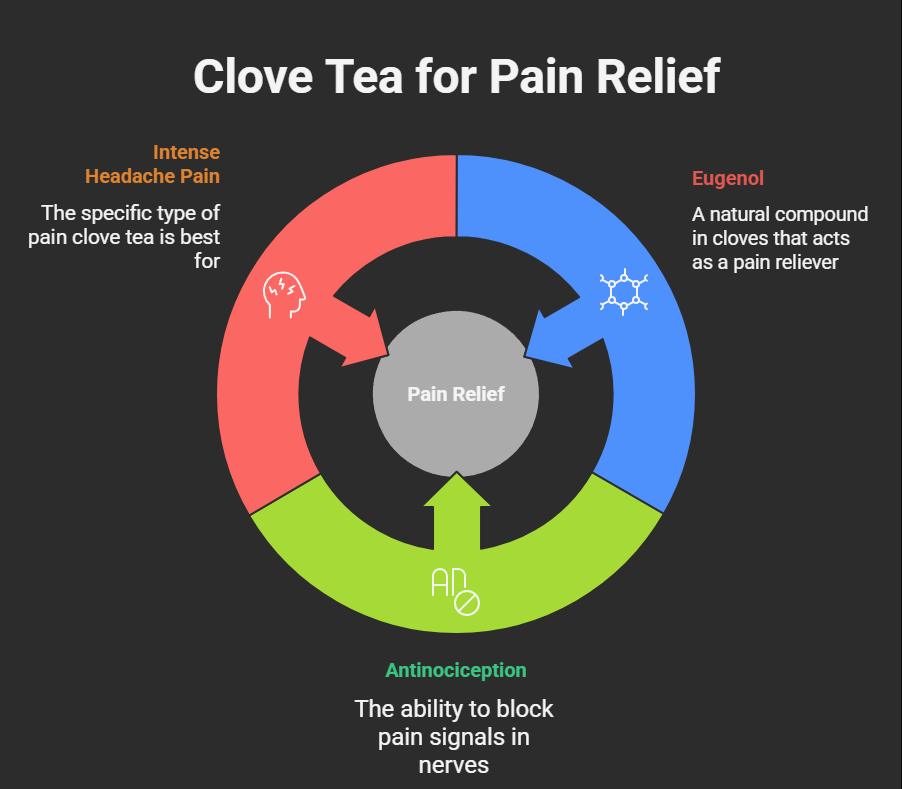
Cloves are tiny, powerful spice buds. They have a very strong taste and even stronger healing properties.
- Why it works: They contain eugenol, which acts as a natural pain reliever (analgesic). Cloves are “antinociceptive,” which is a fancy way of saying they help block the sensation of pain in your nerves.
- Best for: Intense, sharp headache pain.
Comparison of the Best Teas for Headaches
| Tea Type | Primary Benefit | Best For… |
|---|---|---|
| Ginger | Fights Nausea & Pain | Severe Migraines |
| Peppermint | Relaxes Muscles | Tension Headaches |
| Chamomile | Lowers Stress | Anxiety Headaches |
| Feverfew | Reduces Frequency | Migraine Prevention |
| Willow Bark | Acts Like Aspirin | General Aches |
| Turmeric | Cuts Inflammation | Chronic Migraines |
The Big Question: Should You Drink Caffeinated Tea?
You might notice that most of the teas above are “herbal teas.” But what about “real” tea like Black or Green tea?
These teas come from the Camellia sinensis plant and naturally contain caffeine. Caffeine is a double-edged sword.
- The Good: Caffeine can help constrict blood vessels, which often relieves headache pain. It also helps common painkillers work better.
- The Bad: For some people, caffeine is actually a trigger. If you drink too much, you might get a “caffeine withdrawal” headache when you stop.
Expert Tip: If you aren’t sure how you react to caffeine, stick with herbal teas for headache relief.
How to Brew Your Headache Tea for Maximum Relief
To get the most out of your herbs, you need to brew them correctly. There are two main ways:
Infusion: This is for soft parts of the plant like leaves (Peppermint, Lemon Balm) and flowers (Chamomile, Lavender).
- Place 1-2 teaspoons of the herb in a cup.
- Pour hot water over them.
- Cover and let it sit (steep) for 5 to 10 minutes.
Decoction: This is for hard parts like roots (Ginger, Valerian) or bark (Willow Bark).
- Place the herb in a pot with water.
- Bring it to a boil and let it simmer for 10 to 15 minutes.
- This helps pull out the strong medicines hidden in the tough parts of the plant.
Safety First: A Note of Caution
While tea is natural, it is also powerful medicine. Please keep these safety tips in mind:
- Pregnancy: If you are pregnant, always ask your doctor before drinking herbal teas. Some, like Feverfew or Willow Bark, can be unsafe.
- Blood Thinners: If you take medicine to thin your blood (like Warfarin), avoid Ginger, Willow Bark, and Turmeric, as they can increase the risk of bleeding.
- Aspirin Allergy: Do not drink Willow Bark tea if you are allergic to aspirin.
- Kids: Children under 16 should avoid Willow Bark due to a risk of a rare condition called Reye’s syndrome.
Key Takeaways
- Ginger is as effective as some drugs for migraines and stops nausea.
- Peppermint is the best tea for tension headaches.
- Chamomile and Lavender help if stress is the main cause of your pain.
- Willow Bark is literally “nature’s aspirin”.
- Drinking tea also helps you stay hydrated, and dehydration is a huge headache trigger!
Conclusion
Headaches can really ruin your day, but you don’t always have to rely on pills for relief. By choosing the best teas for headaches, you are using a natural, time-tested method to soothe your body. Whether you choose a spicy cup of ginger or a cooling mug of peppermint, these brews offer a gentle way to find comfort.
Next time you feel a headache coming on, take a deep breath, put the kettle on, and let the power of plants help you heal. Your head will thank you!
FAQs
Q1: Can I drink these teas every day?
Most herbal teas, like peppermint and chamomile, are safe for daily use. However, stronger medicinal teas like feverfew or willow bark should be used only when needed or under a doctor’s advice.
Q2: How long does it take for the tea to work?
It varies, but many people feel some relief within 30 to 60 minutes after drinking a warm cup of tea.
Q3: Can I add honey or lemon to my headache tea?
Yes! Adding a little honey or lemon can make the tea taste better and won’t hurt its healing properties.
Q4: Is green tea better than herbal tea for migraines?
It depends on the person. Green tea has antioxidants that are great for health, but its caffeine can be a trigger for some migraine sufferers.
Q5: Should I see a doctor for my headaches?
Yes. If your headaches are very severe, happen very often, or feel different than usual, you should always see a healthcare professional to make sure everything is okay.
Q6: Can peppermint tea help with headaches?
Yes, peppermint tea can help with headaches, especially mild or tension-related headaches. It is a natural and soothing remedy that many people use for quick relief.
Q7: Can drinking tea cause anemia?
Yes — drinking too much tea, especially around meal times, may increase the risk of iron deficiency anemia in some people. Tea contains compounds called tannins, which can reduce the body’s ability to absorb iron from food. This is more common when tea is consumed immediately before or after meals.