Whole cloves can dominate a cup quickly, so this clove chai recipe starts with only two for two small servings. The cloves simmer briefly in water, black tea follows, and milk rounds out the finished drink. You will get a clear, repeatable method and a way to correct a cup that turns too intense or astringent. This is a clove-forward home adaptation of spiced milk tea, not a universal Indian household formula.
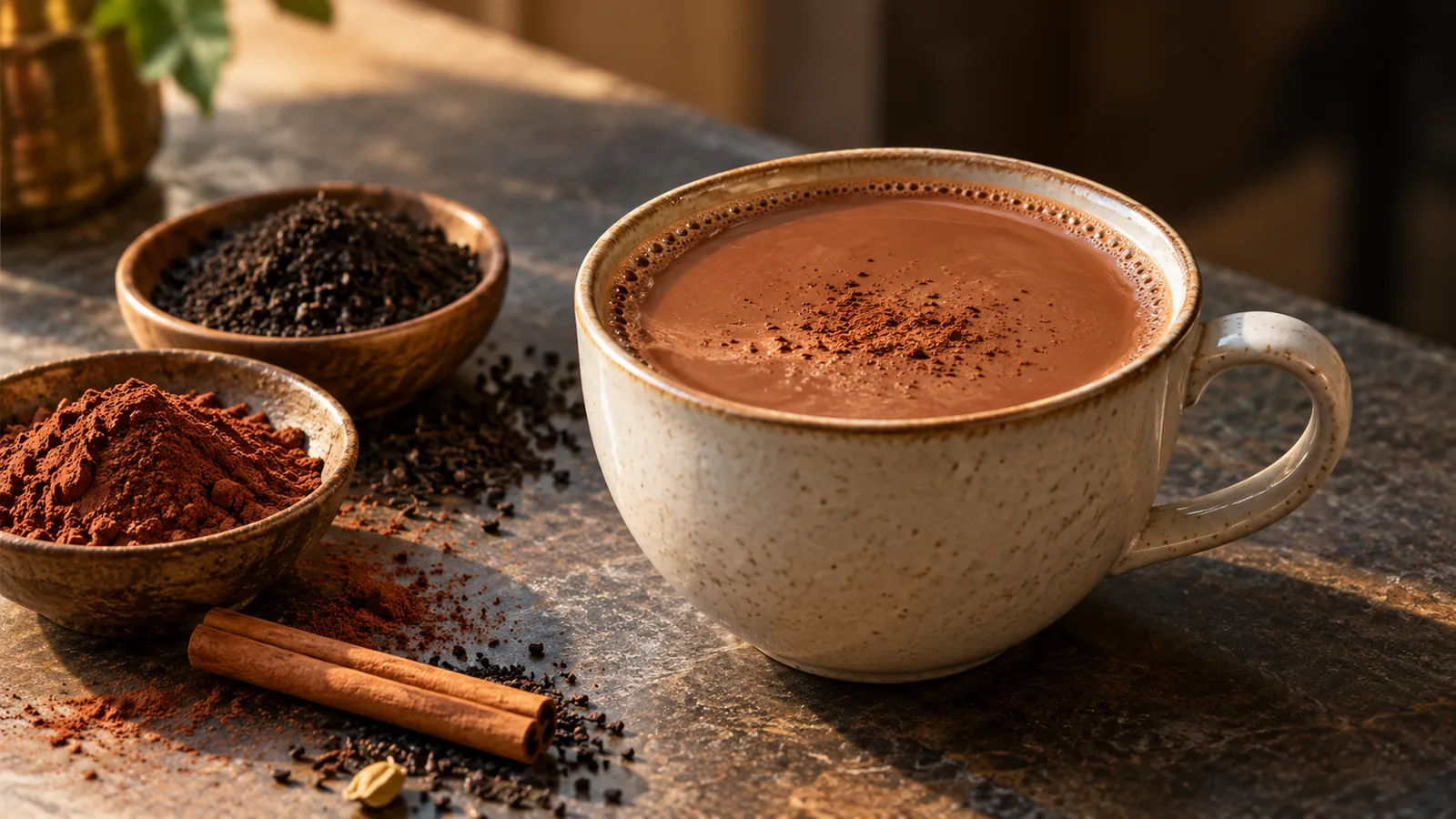
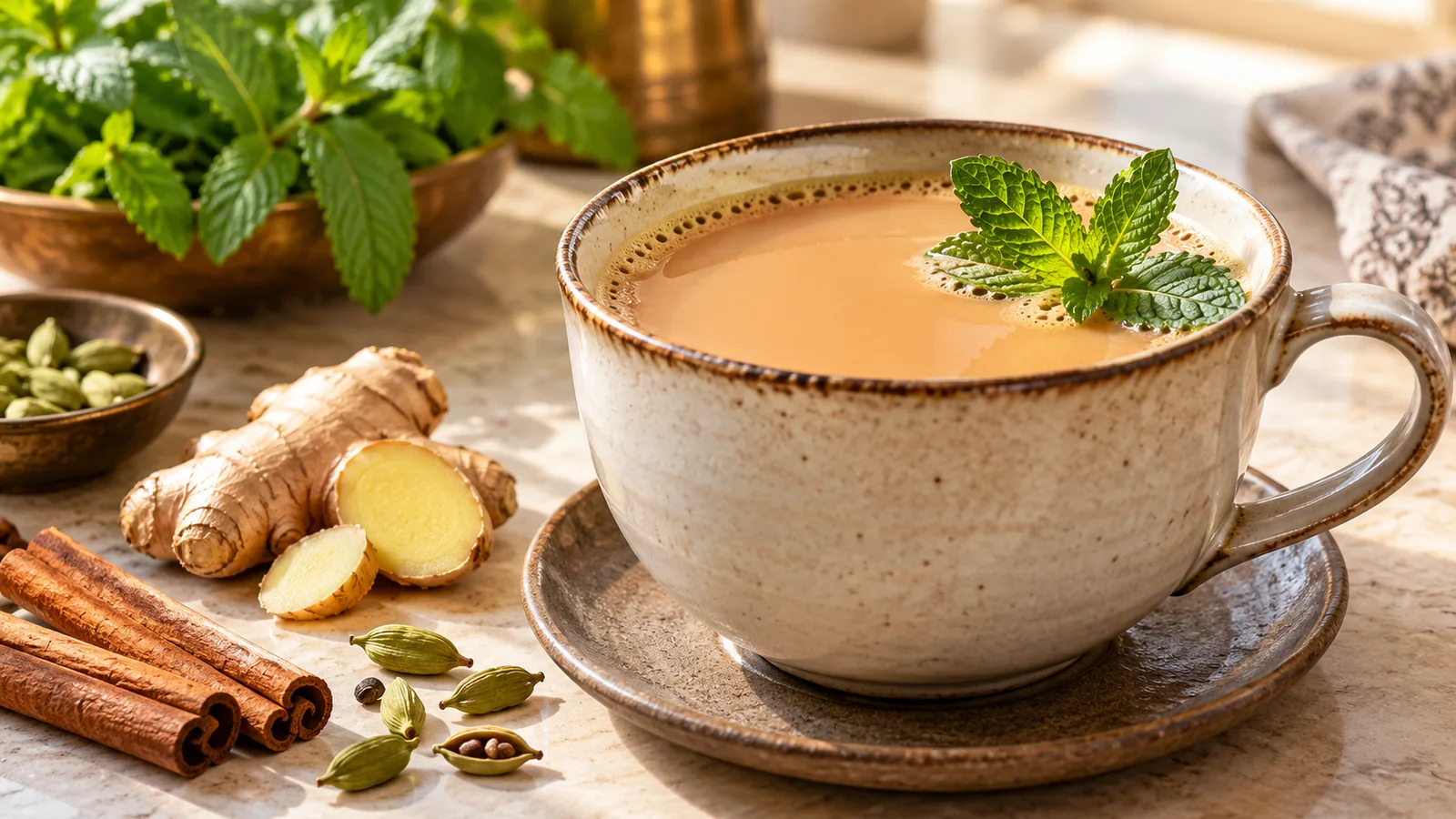
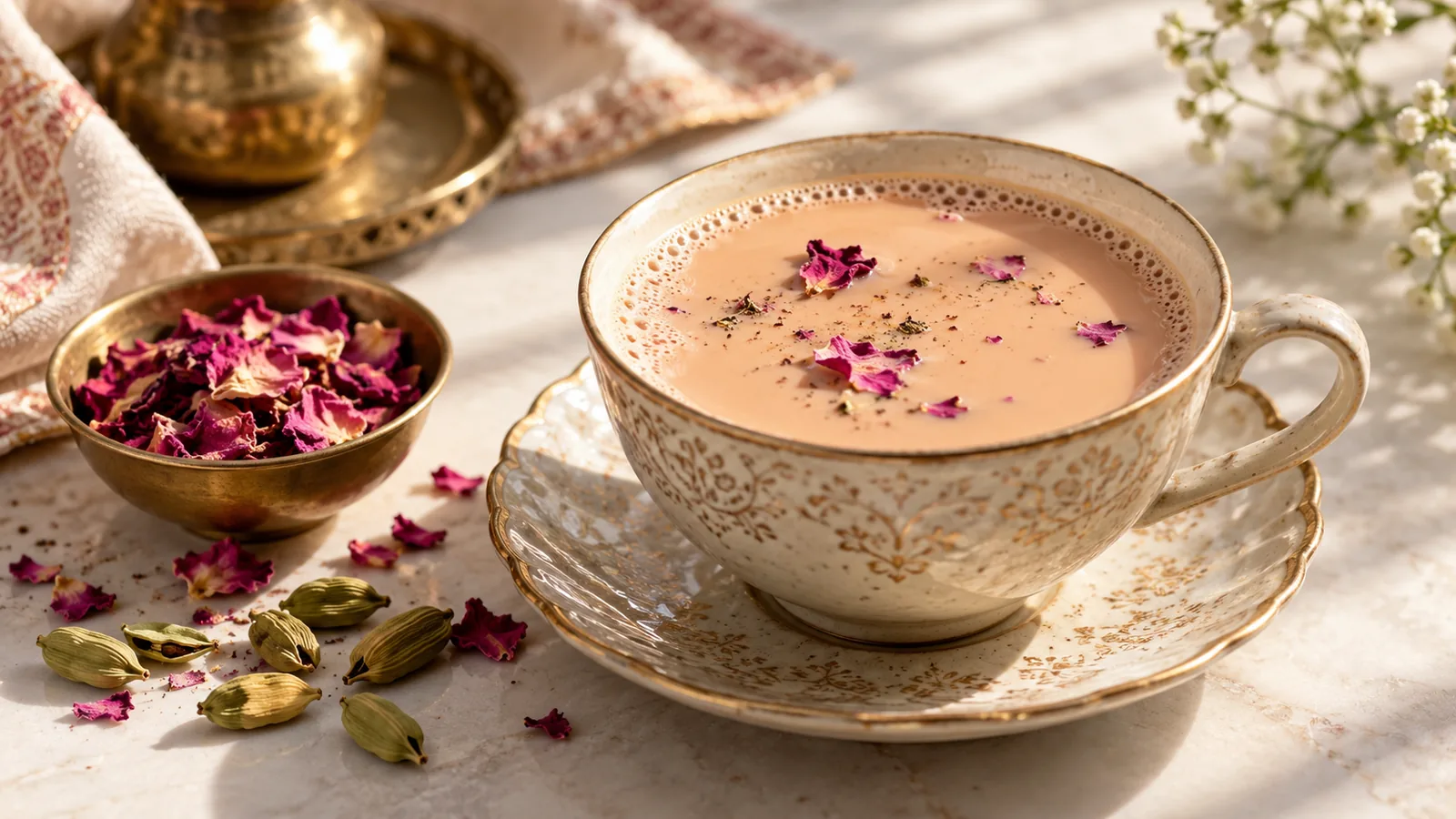
The images are AI-generated illustrations of the intended drink, not evidence of a brew test.
Quick answer: clove chai at a glance
Simmer 2 whole cloves in 300 ml water for 3 minutes. Add 6 g Assam CTC black tea and simmer 90 seconds. Add 200 ml milk, bring to a rise and simmer gently for 2 minutes. Strain straight away; optional sugar is 8 g. This makes about 350–420 ml for two small cups in about 12 minutes. Water boils near 100°C / 212°F at sea level; use a gentle milk simmer. Whole-clove size and freshness vary, so start low.
Clove Chai
A gently clove-forward black milk tea made with two whole cloves for two small cups.
By Krishna Sahani
No ratings yet · Be the first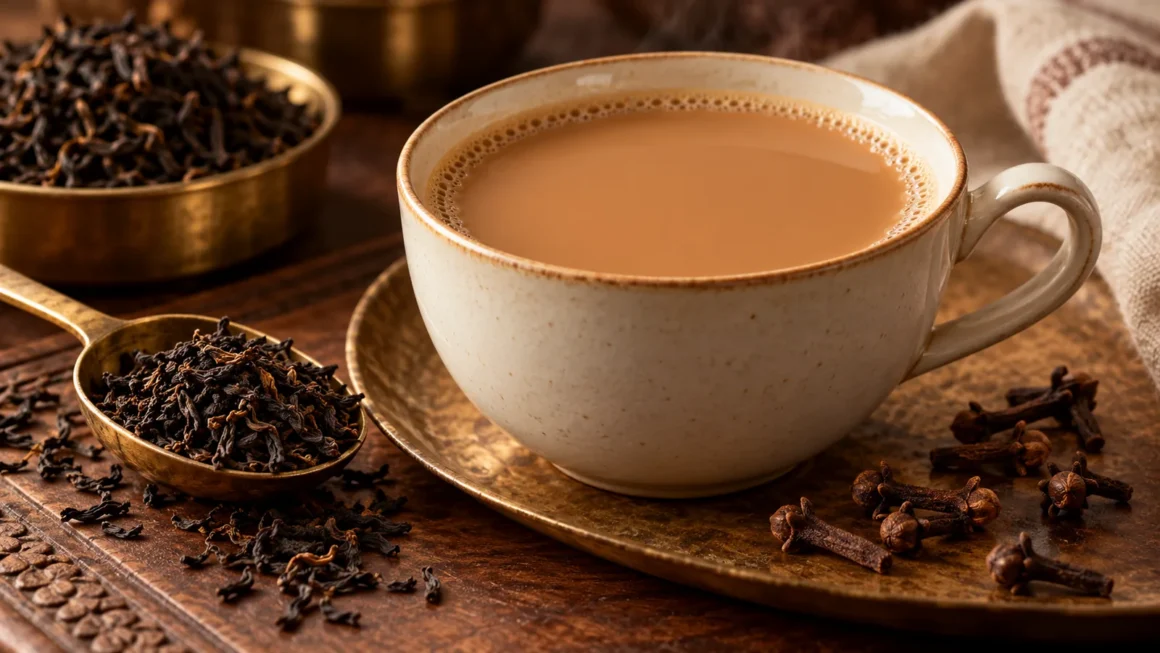
Equipment: Small deep saucepan
Fine strainer
Two heat-safe cups
Ingredients
Instructions
-
Infuse cloves
Bring two whole cloves and 300 ml water to a boil (about 100°C / 212°F at sea level), then simmer 3 minutes. -
Add black tea
Add 6 g Assam CTC black tea and simmer 90 seconds. -
Add milk
Add 200 ml milk and optional 8 g sugar. Let the tea rise once, then gently simmer 2 minutes, watching for foam. -
Strain
Strain immediately into two cups, cool before drinking, and discard the cooked leaves and cloves. One infusion only.
Ratings
Rate this recipe
What is clove chai?
The High Commission of India in Georgetown includes whole cloves in a mixed-spice masala chai with black tea and milk. The Tea Board of India describes a flexible Indian black-tea masala chai rather than a fixed list of spices. Here clove is intentionally the lead note, with the rest of the masala left out. The finished cup should be opaque caramel tan; the dried flower buds belong in the strainer, not the drink.
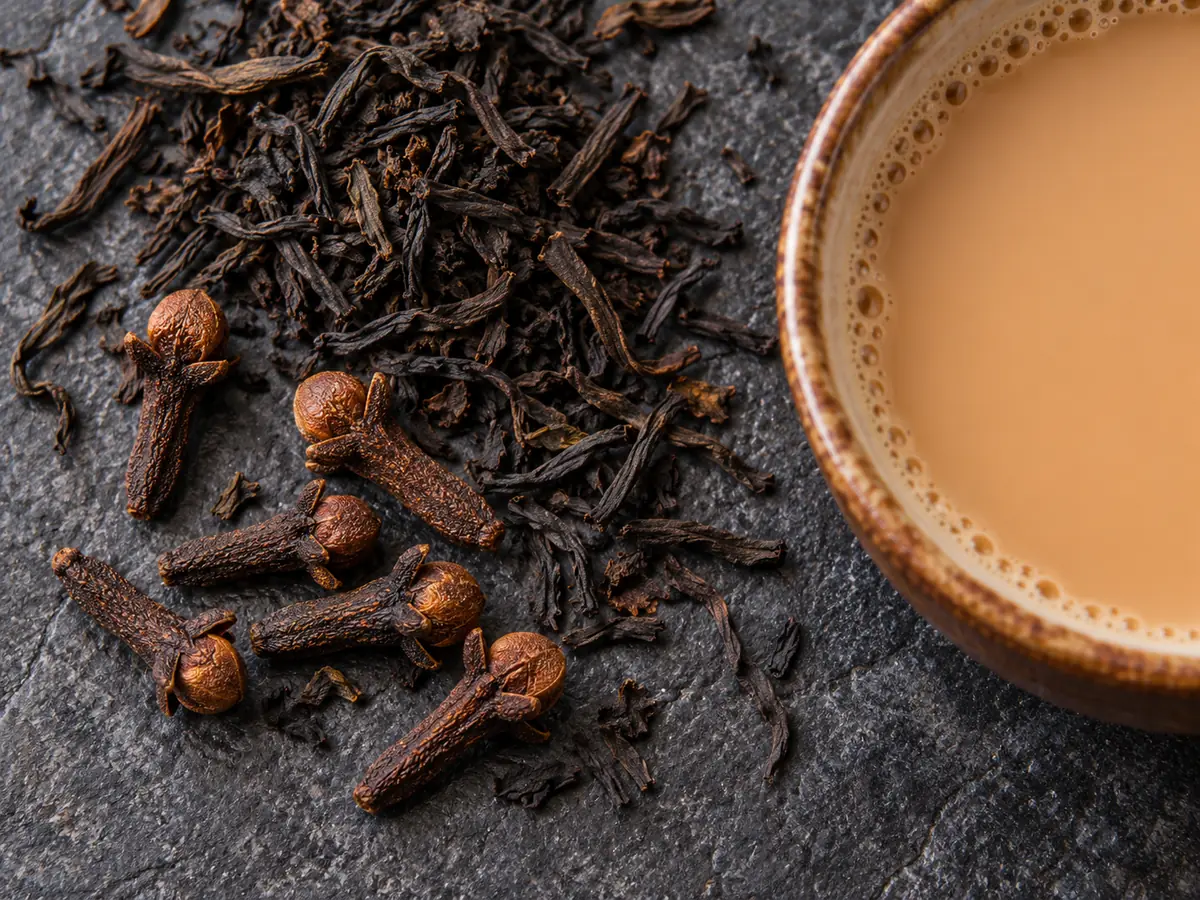
Ingredients and equipment
For two small cups, use 300 ml water (about 1¼ US cups), 200 ml whole milk (about ¾ cup plus 1 tablespoon), 6 g Assam CTC black tea, 2 whole food-grade cloves, and optional 8 g sugar (about 2 teaspoons). Have a small deep saucepan, spoon, fine strainer and heat-safe cups ready. Milk and caffeine are present. Do not replace two whole cloves with two teaspoons of ground clove: the powder is much more intense and hard to remove.
Step-by-step clove chai
- Inspect the cloves and discard any that smell stale. Bring them with the water to a boil, then simmer for 3 minutes.
- Add the tea and simmer for 90 seconds. The liquid should deepen in color but not reduce heavily.
- Add milk and optional sugar. Raise the heat only until the tea begins to rise, then lower it for a 2-minute gentle simmer. Stir once and watch for overflow.
- Strain immediately into two cups, removing cloves and tea. Let the drink cool before sipping. Use the cooked ingredients only once.
Why use only two cloves?
The Georgetown government recipe uses several cloves in a larger, multi-spice batch. A clove-led small batch needs a gentler starting count because there are no other spices to share the aroma. That reduction is TeaTurbo's editorial choice, not a source-prescribed dose. Separating the clove water stage from the short tea stage also lets you adjust one without automatically making the other stronger.
Troubleshooting
- Clove overwhelms everything: Use one clove next time, or shorten the clove water simmer by a minute.
- Tea tastes weak: Increase the black tea by 1 g; avoid adding more cloves to solve weak tea.
- Dry and bitter finish: Shorten the tea stage to 60 seconds and strain as soon as the milk stage ends.
- Sediment or floating buds: Use whole cloves and a fine strainer.
Variations, serving and storage
Ginger can join the water stage for a warmer mixed-spice version, while a small cardamom pod makes a more familiar masala profile. Those are optional changes, not part of this clove-focused card. Serve warm in small cups. Strain any leftover milk chai and refrigerate in a covered container within two hours; reheat gently. Do not keep the spent leaves or cloves for another batch.
FAQs
Can I use clove powder?
The measured card is for whole cloves. Powder does not strain cleanly and a small extra amount can overwhelm the tea.
Is clove chai naturally caffeine-free?
No. It contains black tea. A clove-only infusion without tea is a different drink.
Should I crush the cloves?
No crushing is needed at this starting strength. Leaving them whole makes the spice easier to control.
Can I double the recipe?
Double water, milk and tea, but begin with three rather than four cloves if you prefer a gentle cup; adjust after tasting.
References and further reading
- High Commission of India, Georgetown: Masala Chai Recipe — government example using whole cloves in spiced milk tea.
- Tea Board of India: Masala Tea — Indian black tea and flexible masala combinations.
Related TeaTurbo articles
Editorial method: research-based preparation awaiting TeaTurbo hands-on verification. Author: Krishna Sahani.