

Lemon ginger tea has become one of the most popular healthy tea drinks around the world. From busy office workers to fitness lovers, many people enjoy this warm and refreshing drink daily. It’s a simple mix of ginger and lemon that gives it a strong flavor while also making it a favorite in wellness routines.
In many cultures, people drink lemon ( How To Prepare Lemon Tea ) and ginger herbal tea in the morning to feel refreshed or after meals to support digestion. Others enjoy it during cold weather because it feels soothing and comforting. Over the years, this tea has gained attention for its possible benefits related to immunity, digestion, relaxation, and hydration.
According to wellness beverage market reports from Grand View Research and Statista, herbal tea consumption continues to grow globally as more people search for natural and low-calorie drinks. Ginger-based tea products are especially popular in Asia, North America, and Europe because consumers associate them with digestive comfort and seasonal wellness support.
So, is lemon ginger tea good for you?
Yes — lemon ginger tea can be good for you when consumed properly and in moderation. It contains natural compounds from ginger and lemon that may support overall wellness. However, like any drink, drinking too much or using it incorrectly may lead to side effects for some people.
Table of Contents
What Is Lemon Ginger Tea?
Lemon ginger tea is a warm herbal drink made mainly with fresh ginger and lemon. Some people also add honey, mint, cinnamon, or herbal tea leaves for extra flavor.
The tea is known for its spicy, citrusy taste. Ginger gives warmth and sharpness, while lemon adds freshness and a slightly tangy flavor.
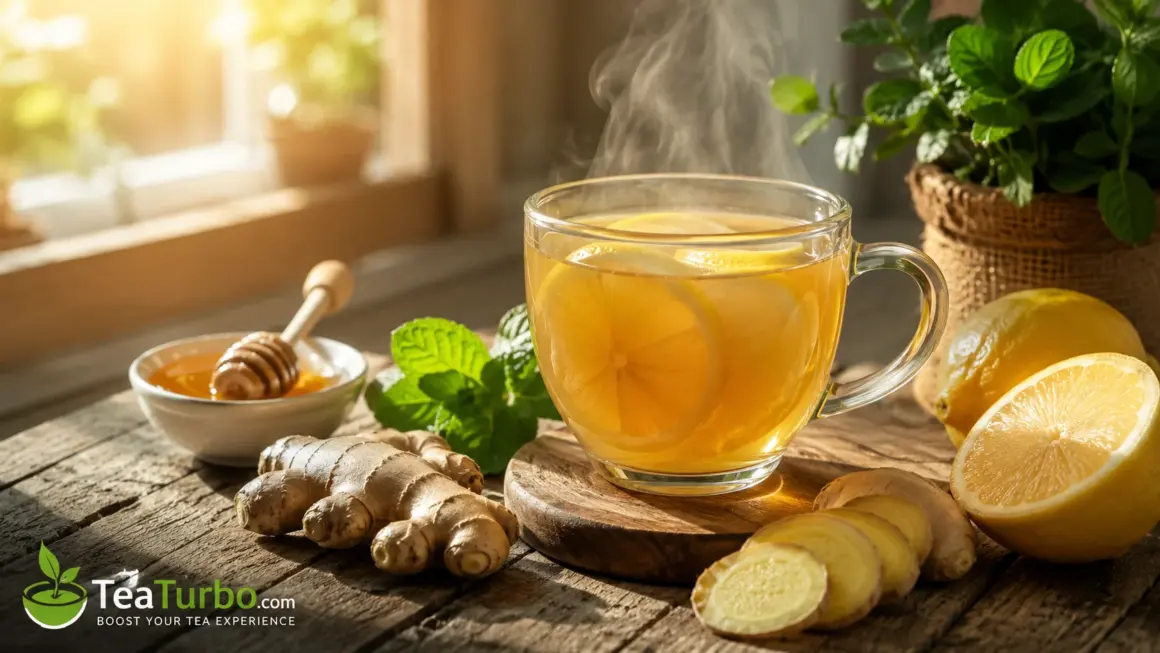
The most common ingredients include:
| Ingredient | Purpose |
|---|---|
| Fresh ginger | Adds warmth and spicy flavor |
| Lemon juice or slices | Adds citrus taste and vitamin C |
| Honey (optional) | Natural sweetness |
| Herbal tea base | Adds flavor and aroma |
Some people prepare it fresh at home, while others prefer ready-made tea bags for convenience.
Lemon ginger tea is usually served hot, but cold versions are also becoming popular during the summer.
Difference Between Lemon Tea and Lemon Ginger Tea
Many people confuse lemon tea with lemon ginger tea, but they are slightly different.
Lemon tea usually contains tea leaves with lemon flavor. It may or may not contain ginger. The taste is lighter and more citrus-focused.
Lemon ginger tea includes ginger as a major ingredient. Ginger gives the tea a stronger flavor and adds traditional medicinal value.
Here’s a simple comparison:
| Feature | Lemon Tea | Lemon Ginger Tea |
|---|---|---|
| Main flavor | Citrus | Spicy + citrus |
| Ginger included | Usually no | Yes |
| Warming effect | Mild | Strong |
| Traditional wellness use | Moderate | Higher |
| Digestive support | Limited | Commonly used |
Ginger is widely used in traditional wellness systems because it contains compounds called gingerols. These natural compounds are linked to anti-inflammatory and digestive-support properties.
That’s why many people prefer lemon ginger herbal tea over regular lemon tea.
Types of Lemon Ginger Tea
Today, lemon ginger tea comes in many forms. Each type offers a slightly different flavor and experience.
Fresh Homemade Tea
This is the most natural option. It uses real ginger and fresh lemon slices.
Benefits include:
- Strong natural flavor
- No preservatives
- Easy to customize
- Usually caffeine-free
Tea Bags
Tea bags are quick and convenient. They are popular among office workers and travelers.
However, some brands may contain flavoring instead of fresh ingredients.
Green Tea + Lemon + Ginger Blend
This version combines green tea with ginger and lemon.
It may provide:
- Antioxidants from green tea
- Mild caffeine boost
- Support for focus and energy
Herbal Caffeine-Free Versions
These blends avoid tea leaves completely. They usually contain herbs, ginger, and lemon peel.
They are ideal for:
- Evening drinking
- Relaxation
- People avoiding caffeine
Here’s a quick comparison table:
| Tea Variation | Caffeine Level | Best For |
|---|---|---|
| Fresh homemade | None | Daily wellness |
| Tea bags | Low to none | Convenience |
| Green tea blend | Moderate | Energy and focus |
| Herbal blend | None | Relaxation and bedtime |
Health Benefits of Lemon Ginger Tea
Lemon ginger tea is often linked with wellness because of its natural ingredients. While it is not a miracle cure, it may support several areas of health when included in a balanced lifestyle.

Here are the most talked-about benefits.
Supports Digestion
One of the biggest reasons people drink ginger lemon detox tea is digestive comfort.
Ginger has been traditionally used for centuries to help with:
- Bloating
- Nausea
- Mild stomach discomfort
- Feeling overly full after meals
Research published in the National Library of Medicine has shown that ginger may help improve stomach emptying and reduce nausea symptoms in some people.
Lemon may also support digestion because acidic foods can stimulate digestive juices in moderate amounts.
Many people enjoy this tea in the morning because warm liquids may help hydration and create a refreshing start to the day.
Morning lemon ginger tea routines are especially popular among wellness-focused consumers.
May Boost Immunity
Lemon contains vitamin C, which plays a role in immune system function.
Ginger also contains antioxidants and natural compounds that are associated with anti-inflammatory effects.
Together, they create a popular immunity tea choice during colder months.
People often drink it when they:
- Feel seasonal discomfort
- Experience cold weather dryness
- Want a soothing, warm beverage
However, it is important to stay realistic. Lemon ginger tea supports wellness habits, but it does not prevent or cure illnesses by itself.
Helps With Weight Management
Many online articles promote lemon ginger tea as a “fat-burning” drink. The truth is more balanced.
Drinking warm low-calorie beverages may help some people reduce sugary drink intake. This alone can support weight management goals.
Ginger may also help create a feeling of fullness for some individuals.
Suggested Read:
- How To Make Lemon Balm Tea
- How Tea is Made: Step-by-Step Process
- Tea Buying Guide: Tips for Finding the Best Tea
- 9 Benefits of Having Lemon Tea
Potential supportive benefits include:
- Better hydration
- Reduced high-calorie beverage consumption
- Warm drink satisfaction
- Mild appetite control
Still, healthy eating and regular activity remain the most important factors for weight loss.
Lemon ginger tea should be viewed as a supportive habit — not a magic solution.
Can Soothe Sore Throat and Cold Symptoms
Warm herbal drinks are commonly used during cold weather because they feel comforting.
Lemon ginger tea may help by:
- Providing warmth
- Supporting hydration
- Offering soothing comfort for the throat
Ginger has a long history in traditional wellness practices for seasonal discomfort.
Adding honey may also improve the soothing effect for some people.
This is one reason the tea becomes extremely popular during the winter months.
May Reduce Stress and Improve Relaxation
Warm drinks often create a calming effect, especially during busy evenings.
Caffeine-free lemon ginger herbal tea may help people relax after a long day.
Many tea drinkers enjoy it because:
- The aroma feels calming
- Warm liquids encourage relaxation
- Evening tea rituals can reduce feelings of stress
For better evening relaxation:
- Choose caffeine-free versions
- Avoid excessive sugar
- Drink it 1–2 hours before bedtime