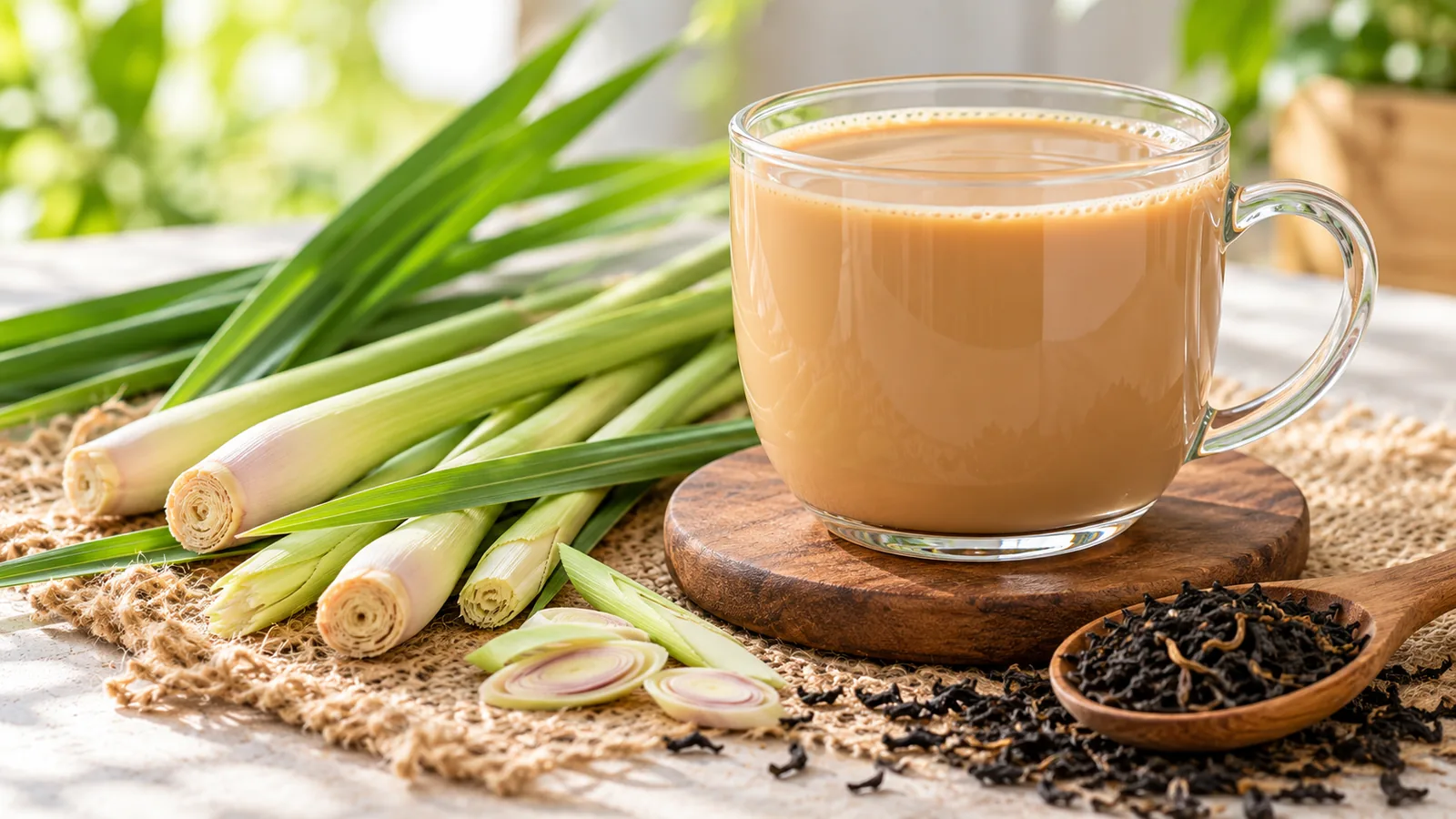
Lemongrass smells like lemon, tastes fresh, and makes a lovely herbal tea. But does it actually improve your health?
Lemongrass has natural plant compounds that scientists are studying. Some may have useful effects, but most health benefits haven’t been proven in people yet.
The good news? Plain lemongrass tea is naturally caffeine-free and can be a refreshing way to drink more water.
Here’s what research really says about its benefits, side effects, and how to make it.
What Are the Benefits of Lemongrass?
Quick answer: Lemongrass tea helps you drink more fluids without caffeine. It also contains natural plant compounds called antioxidants. Early research suggests possible effects on blood pressure, but there is not enough strong evidence to use it as a treatment for any illness.
Lemongrass Benefits at a Glance
| Possible benefit | What you should know |
|---|---|
| 💧 Hydration | Tea provides water, which your body needs. |
| 🌿 Antioxidants | Lemongrass contains helpful plant compounds, but health effects from drinking it remain unclear. |
| ❤️ Blood pressure | Small human studies suggest possible effects. More research is needed. |
| 🍃 Digestion | Traditionally used for stomach discomfort. Human proof is limited. |
| 😴 Relaxation | A warm, caffeine-free drink may feel soothing. It has not been proven to improve sleep. |
| ⚖️ Weight loss | No good proof that lemongrass tea burns body fat. |
What does this mean? Lemongrass may be a good drink choice, but it isn’t a miracle medicine.
Sources: Memorial Sloan Kettering and a 2022 scientific review.
What Makes Lemongrass Special?
Lemongrass (Cymbopogon citratus) is a fragrant grass used in Asian cooking and herbal drinks.
It contains a compound called citral, which gives the plant its lemon-like smell. Scientists have studied citral and other lemongrass compounds for possible antioxidant and anti-inflammatory effects.
But there is an important difference:
🌿 Lemongrass plant → ☕ Brewed tea ≠ 🧪 Concentrated essential oil
Results from experiments using strong oils or extracts do not automatically apply to a cup of tea.
Read more about herbal teas and how they differ from regular tea.
Can Lemongrass Tea Help With Weight Loss?
Lemongrass tea does not magically burn fat.
However, drinking it without sugar instead of soda or other sweet drinks can help reduce your calorie intake.
The benefit comes mainly from replacing sugary drinks, not from a special fat-burning effect.
The CDC explains why switching to unsweetened drinks can be a healthier choice.
When Is the Best Time to Drink Lemongrass Tea?
| Time | What to expect |
|---|---|
| Morning | A refreshing drink without caffeine. |
| After meals | A warm beverage, but not a proven digestive treatment. |
| Night | A caffeine-free option, although better sleep is not proven. |
Choose the time you enjoy most. There is no proven best time for health benefits.
How to Make Lemongrass Tea at Home
A simple cup needs only lemongrass and water.
Recipe details
- Preparation: 3 minutes
- Steeping: 5–7 minutes
- Total: 8–10 minutes
- Servings: 1 cup
Ingredients
- 1 cup (250 ml) water
- 1 small fresh lemongrass stalk, cleaned and lightly crushed
- Optional: a little honey or a thin ginger slice
Three Easy Steps
1. Prepare: Wash the lemongrass, trim away damaged parts, and gently crush the stalk to release its smell.
2. Steep: Pour freshly boiled water over the lemongrass. Cover and leave for 5–7 minutes.
3. Strain: Remove the tough stalk. Enjoy warm or cool over ice.
Taste: Light, grassy, and naturally lemon-like.
For another citrus drink, try our lemon ginger tea recipe. You can also use the TeaTurbo steeping timer.
Lemongrass Tea Side Effects: Who Should Be Careful?
Lemongrass is commonly used in food, but drinking large amounts regularly may cause problems.
Possible side effects include dizziness, dry mouth, increased urination, and allergic reactions.
Important precautions:
- Pregnant or breastfeeding: Avoid medicinal use and lemongrass tea unless your healthcare professional advises otherwise. Safety information is insufficient.
- Kidney problems: Ask your doctor before drinking it regularly. One human study found concerning changes in kidney function measurements after repeated use.
- Taking medication: Check with your doctor or pharmacist before using large or concentrated amounts.
- Essential oil: Never add lemongrass essential oil to tea unless a qualified professional specifically confirms the product and use are safe.
There is no well-established safe daily medicinal dose of lemongrass tea.
Sources: Memorial Sloan Kettering, kidney-function study, and Drugs.com clinical review.
Frequently Asked Questions
Is lemongrass tea good for skin?
There is no strong human evidence that drinking lemongrass tea clears acne or improves skin. Lemongrass essential oil has been studied separately, but it can irritate skin.
What are the benefits of lemongrass tea for women?
Some people traditionally drink it for menstrual discomfort. However, good human studies have not shown that it reliably relieves cramps or balances hormones.
Does drinking lemongrass tea at night help you sleep?
Not necessarily. One human study found no improvement in sleep compared with a placebo. Its main advantage at night is that plain lemongrass tea contains no caffeine.
Can you drink lemongrass tea every day?
An occasional food-strength cup may suit many healthy adults, but the long-term safety of daily use has not been established. Avoid treating it like a daily medicine.
Is lemongrass the same as lemon?
No. Lemongrass is a type of grass, while lemons are citrus fruits. They smell similar but are different plants.
Final Thoughts
Lemongrass tea is worth trying for its fresh flavor and natural lack of caffeine.
It can make plain water more enjoyable, and researchers are studying its plant compounds. Still, claims about fast weight loss, glowing skin, better sleep, and disease treatment go beyond what current evidence shows.
Enjoy a lightly brewed cup for its taste rather than expecting medical results. If you have health concerns, take medication, or are pregnant, check with a healthcare professional first.
