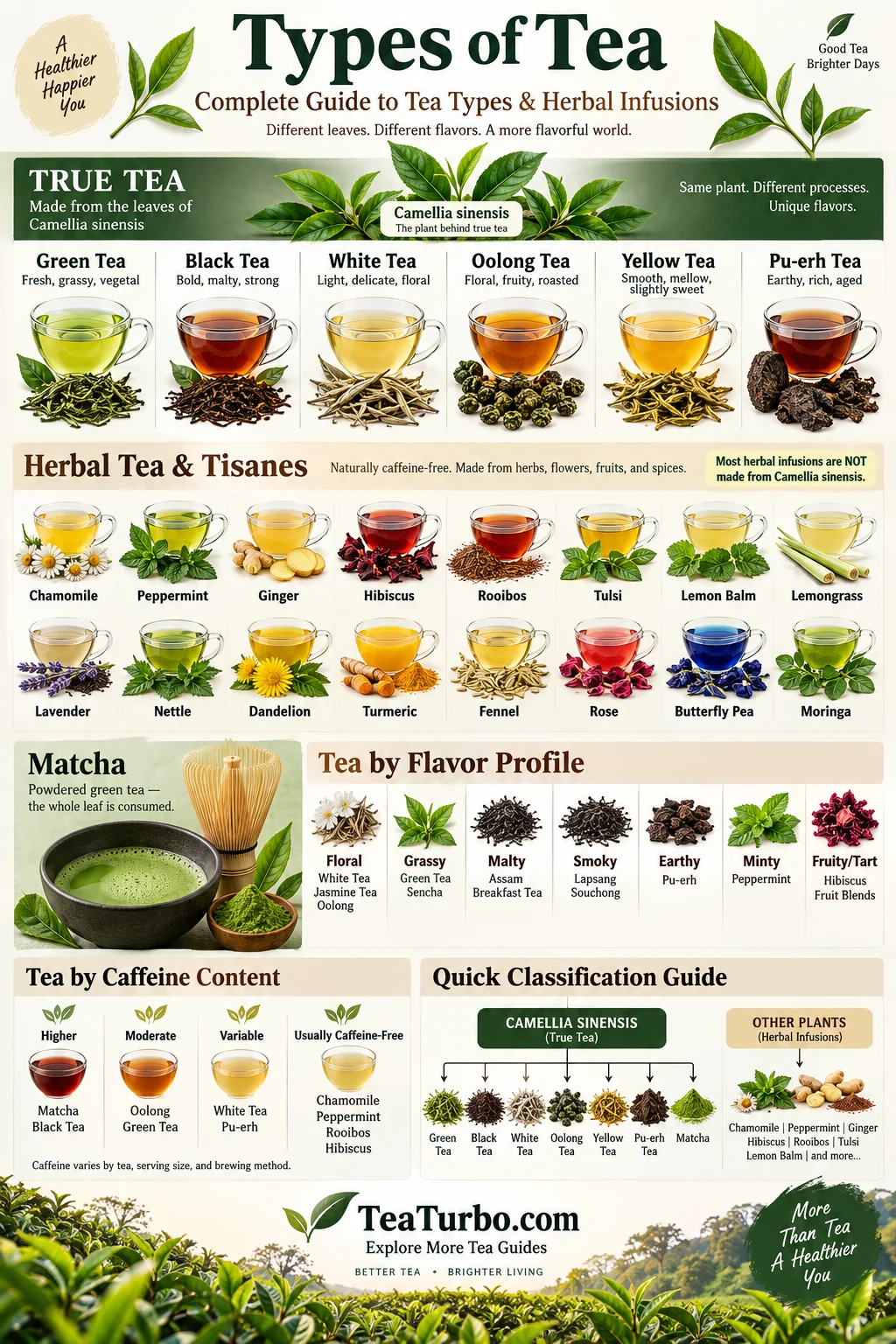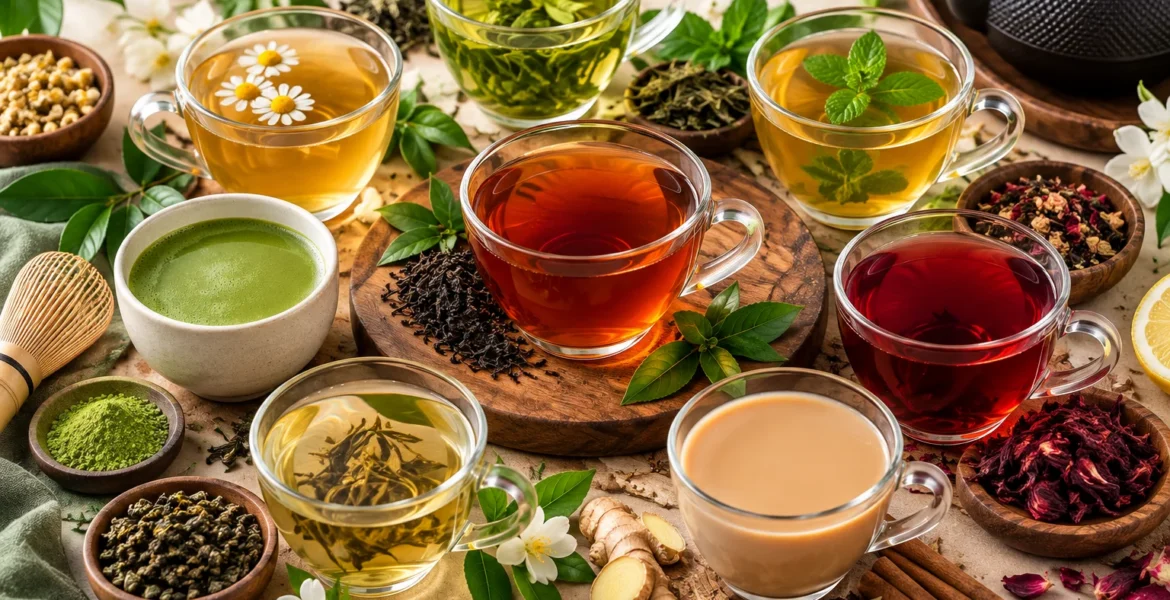
Tea (history of tea) comes in many forms, but the main distinction is simple: true tea comes from the Camellia sinensis plant. Green, black, white, oolong, yellow, and pu-erh teas are all made from this same plant but processed in different ways. Royal Botanic Gardens, Kew – Camellia sinensis
There are also herbal drinks commonly called teas, such as chamomile, peppermint, ginger, hibiscus, and rooibos. These are made from other plants and are generally classified as herbal infusions or tisanes rather than true tea.
The differences between tea types come mainly from processing, oxidation, plant variety, growing region, and preparation. This is why teas made from the same species can have very different colors, aromas, and flavors. The International Organization for Standardization (ISO) also defines major tea categories according to their production and processing methods. ISO 20715:2023 – Classification of tea types,
Major Types of Tea
Six major categories of tea.
Read more; What is Tea
In this guide, you’ll discover the major types of tea, popular varieties, their flavor profiles, caffeine differences, origins, processing methods, and common ways to enjoy them.
Tea can be broadly divided into true teas and herbal teas or tisanes. The main difference is the plant used to make them.
1. True Types of Tea
True tea is made from the leaves and buds of Camellia sinensis. The main types are:
- Green tea
- Black tea
- White tea
- Oolong tea
- Yellow tea
- Matcha Tea
- Pu-erh and other post-fermented teas
- Herbal Tea
Although they come from the same plant, processing methods such as withering, rolling, oxidation, drying, and fermentation create major differences in taste, color, aroma, and appearance. Kew – Camellia sinensis
2. Herbal Types of Tea and Tisanes
Herbal teas are generally made by infusing herbs, flowers, roots, fruits, spices, or other plants in hot water. They do not normally contain Camellia sinensis.
Common examples include:
- Chamomile tea
- Peppermint tea
- Ginger tea
- Hibiscus tea
- Rooibos
- Tulsi tea
- Lemon balm tea
- Lemongrass tea
- Lavender tea
Because they are not made from Camellia sinensis, herbal infusions are usually naturally caffeine-free, although the ingredients used in a blend can change this.
Important: “Herbal tea” is a common everyday term. Botanically and technically, many of these drinks are better described as herbal infusions or tisanes.
3. What Is Green Tea?
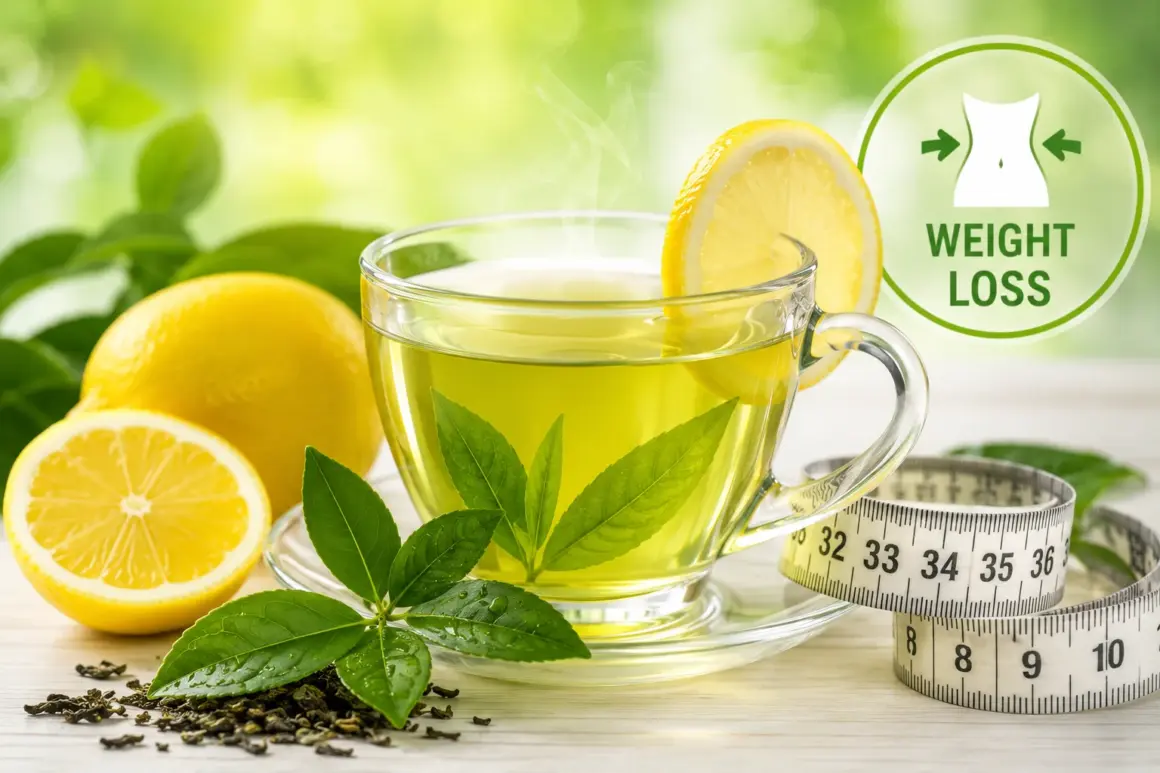
Green tea is a true tea made from the leaves of Camellia sinensis. Unlike black tea, the leaves are processed to limit oxidation, helping green tea retain its fresh color and characteristic flavor. FAO – Tea
After harvesting, tea leaves are quickly heated to reduce enzymatic oxidation. They are then shaped, dried, and prepared for sale. The exact method varies by country and tea style.
Some well-known green teas include:
- Sencha – A popular Japanese green tea with a fresh, vegetal character.
- Gyokuro – A Japanese shaded tea known for its rich, savory flavor.
- Longjing (Dragon Well) – A famous Chinese green tea with a fresh, smooth character.
- Gunpowder – Leaves rolled into small pellets, commonly associated with Chinese green tea.
- Bancha – A Japanese green tea generally made from later harvests.
- Genmaicha – Green tea blended with roasted rice.
4. Black Tea
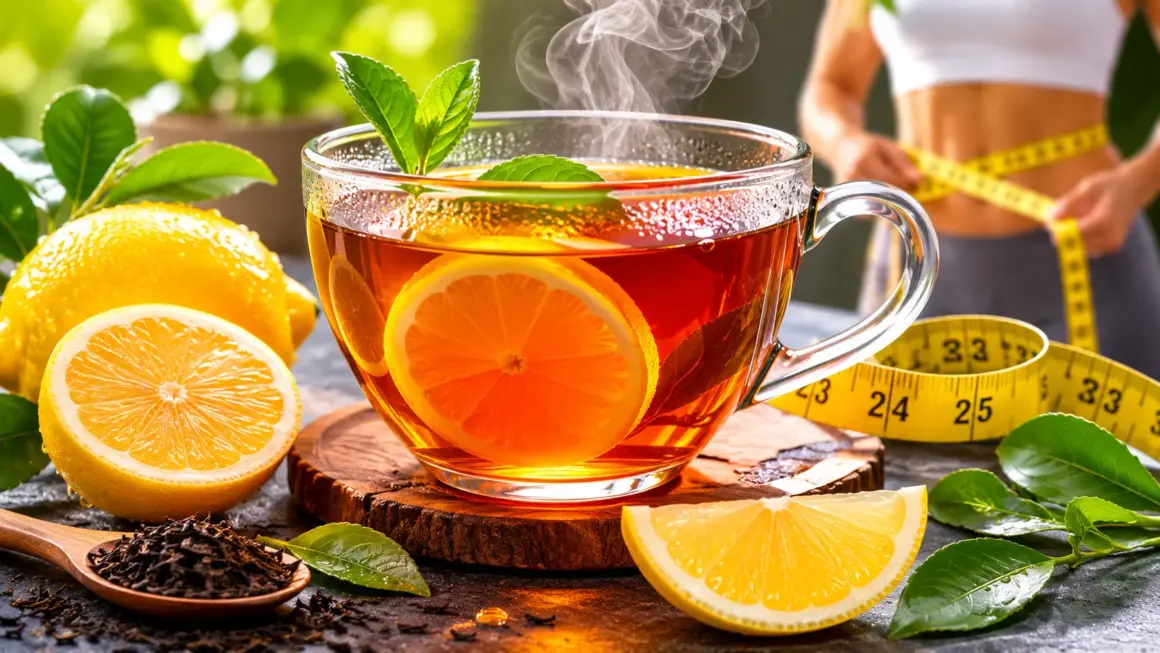
Black tea is a true tea made from the leaves of Camellia sinensis. It undergoes more oxidation than green, white, and most oolong teas, giving it a darker color and a stronger, fuller flavor. Well-known examples include Assam, Darjeeling, Ceylon, Keemun, Yunnan, English Breakfast, and Earl Grey. Kew – Tea Plant
The flavor of black tea can range from malty, brisk, and strong to smooth, fruity, floral, or slightly smoky. Its character depends on the tea cultivar, growing region, processing method, and blend. Assam is often associated with a bold, malty profile, while Darjeeling is known for a lighter and more aromatic character.
Black tea naturally contains caffeine, but the amount is not fixed. It can vary according to the leaf, serving size, brewing time, water temperature, and preparation method. Black tea also contains naturally occurring polyphenols and other compounds that have been studied for their potential health effects. NCCIH – Tea
Because black tea contains caffeine, people who are sensitive to caffeine may experience sleep problems, nervousness, or other effects when consuming too much. For brewing, use hot water and steep according to the tea’s instructions, adjusting the time to make the cup weaker or stronger according to taste.
Complete Black Tea Guide → click here
5. White Tea
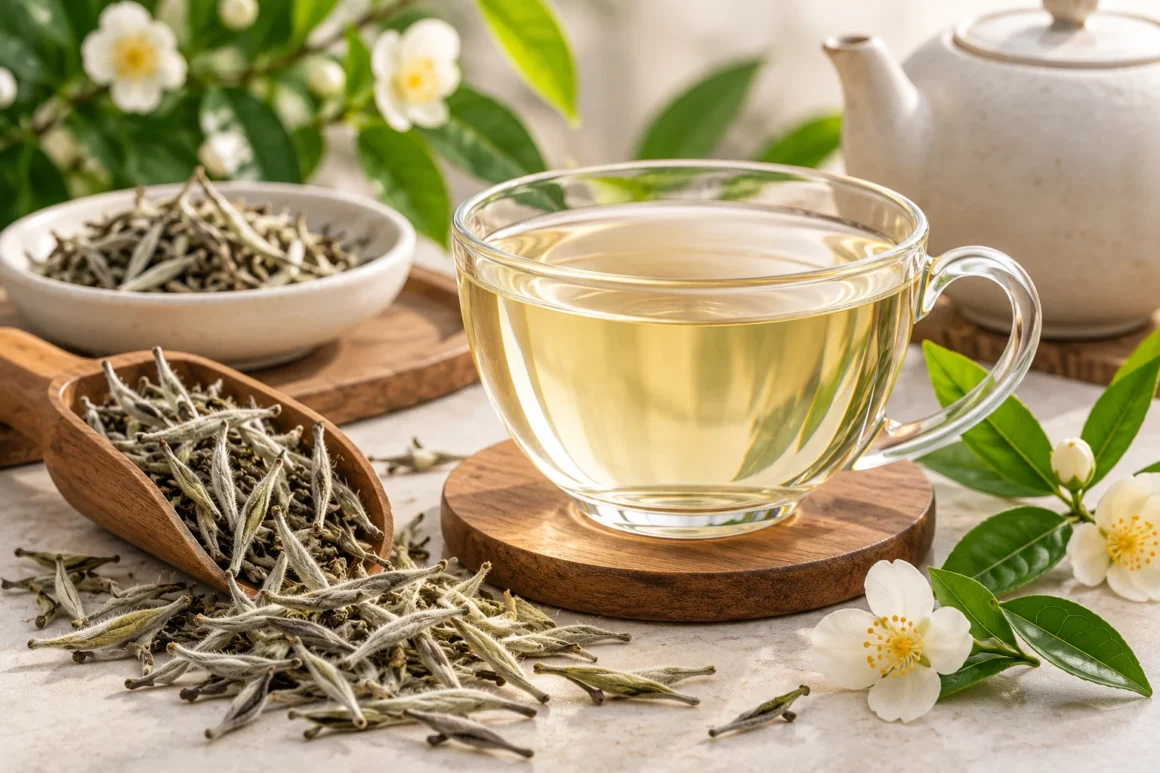
White tea is a lightly processed true tea made from the leaves and young buds of Camellia sinensis. The leaves are generally withered and dried with minimal processing, which helps preserve their delicate appearance and flavor. Popular styles include Silver Needle, White Peony (Bai Mudan), and Shou Mei. Kew – Tea Plant
White tea usually has a light, delicate taste with floral, sweet, fresh, or slightly fruity notes. Its flavor can vary depending on the tea plant, harvest, growing region, and production method.
White tea naturally contains caffeine, so it should not automatically be considered caffeine-free or the lowest-caffeine true tea. The actual amount can vary with the leaves used and brewing method. Like other true teas, white tea also contains naturally occurring polyphenols.
To brew white tea, use hot but not aggressively boiling water and allow the leaves to steep gently. The exact temperature and steeping time depend on the particular tea and can be adjusted to taste.
6. Oolong Tea
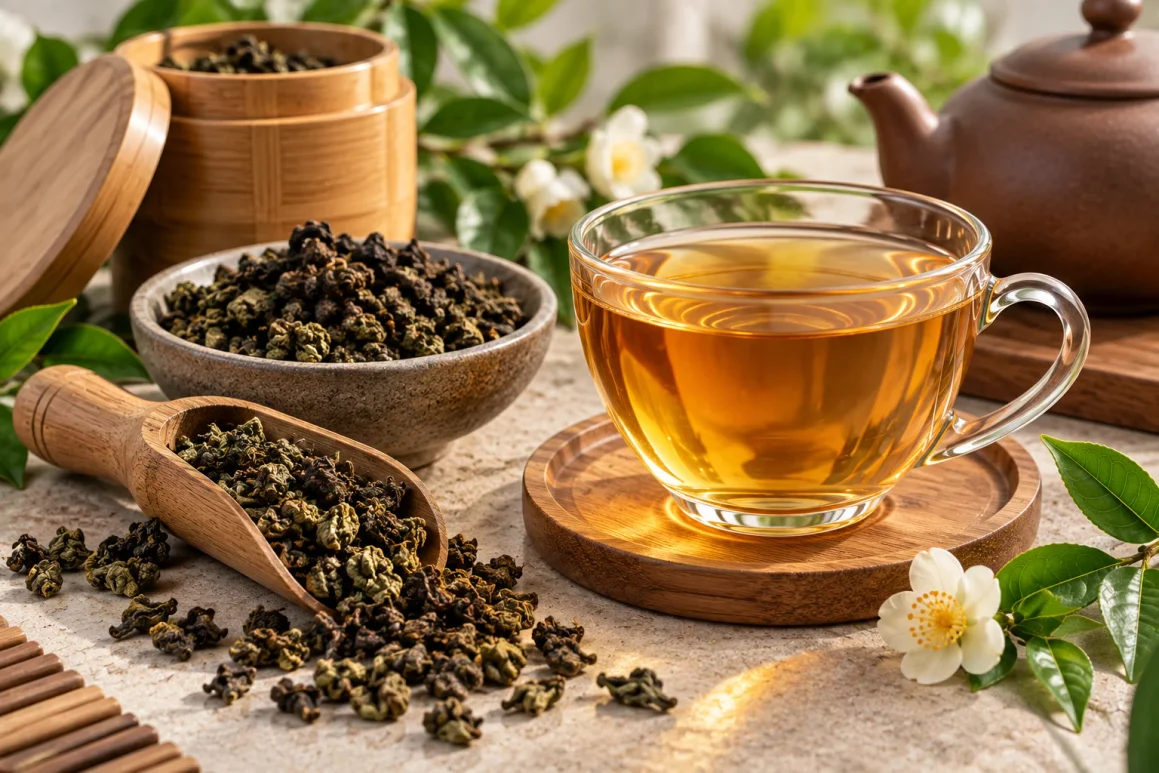
Oolong tea is a true tea made from Camellia sinensis. It is partially oxidized, placing it between green and black tea in terms of processing. The level of oxidation can vary widely, which is why oolong includes both light, floral styles and darker, roasted teas. Kew – Tea Plant
Popular oolong varieties include Tieguanyin, Da Hong Pao, Milk Oolong, and Phoenix Oolong. Light oolongs may have floral, fresh, or creamy notes, while darker oolongs can have deeper roasted, nutty, or fruity flavors. The final taste also depends on the growing region, cultivar, processing, and roasting.
Oolong tea contains caffeine, although the amount varies from one tea and brewing method to another. It also contains naturally occurring tea compounds such as polyphenols. Research has examined tea consumption and various health outcomes, but oolong should not be considered a treatment for medical conditions. NCCIH – Green Tea
Oolong can be brewed using hot water, with the temperature and steeping time adjusted according to the style. Many loose-leaf oolongs can also be steeped multiple times, with the flavor changing during each infusion.
7. Yellow Tea
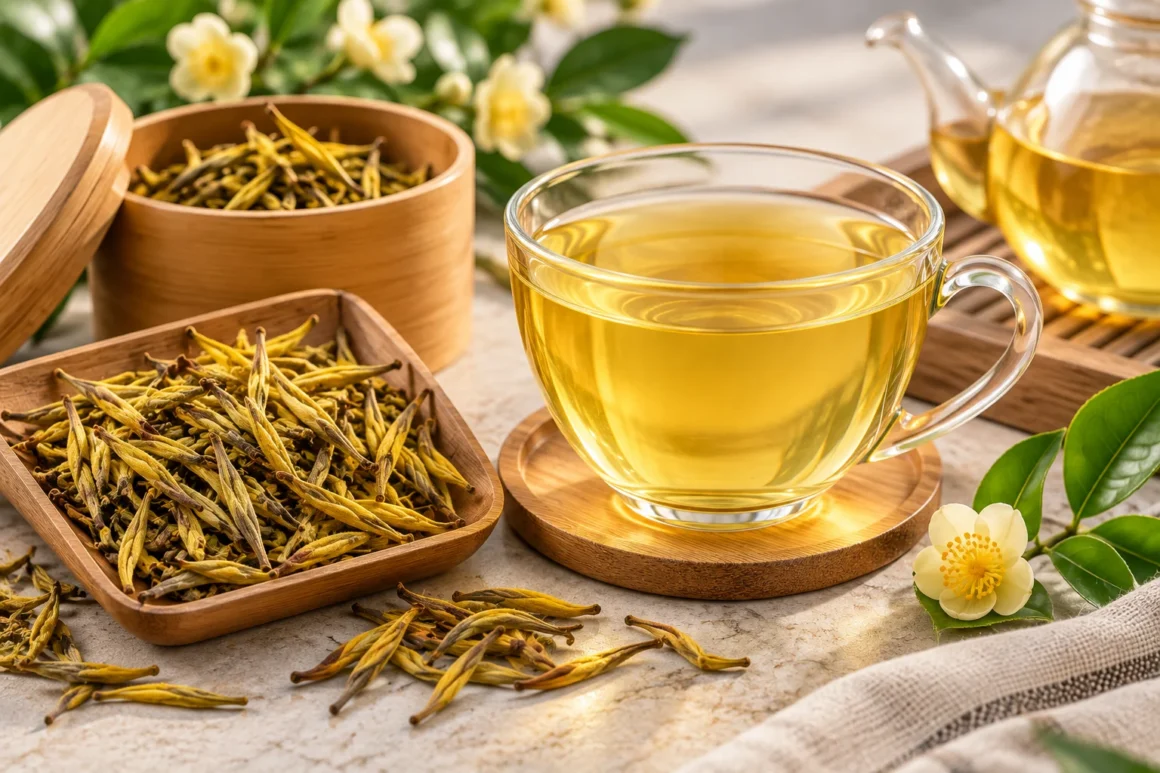
Yellow tea is a less common type of true tea made from Camellia sinensis. It is processed somewhat like green tea but includes an additional step known as yellowing, during which the leaves are gently covered or rested under controlled conditions. This gives the tea its characteristic color and helps create a smoother flavor.
Yellow tea is traditionally associated with China and includes varieties such as Junshan Yinzhen, Meng Ding Huang Ya, and Huangshan Huangya. It can have a mild, smooth, slightly sweet, and less grassy taste than many green teas.
Yellow tea contains caffeine because it comes from Camellia sinensis. Its caffeine level can vary depending on the leaves, serving size, and brewing method, so it should not be assumed to have a fixed amount.
Yellow tea is usually brewed gently with hot water. Because it can be delicate, using a moderate temperature and avoiding excessively long steeping can help preserve its smooth flavor.
8. Pu-erh Tea
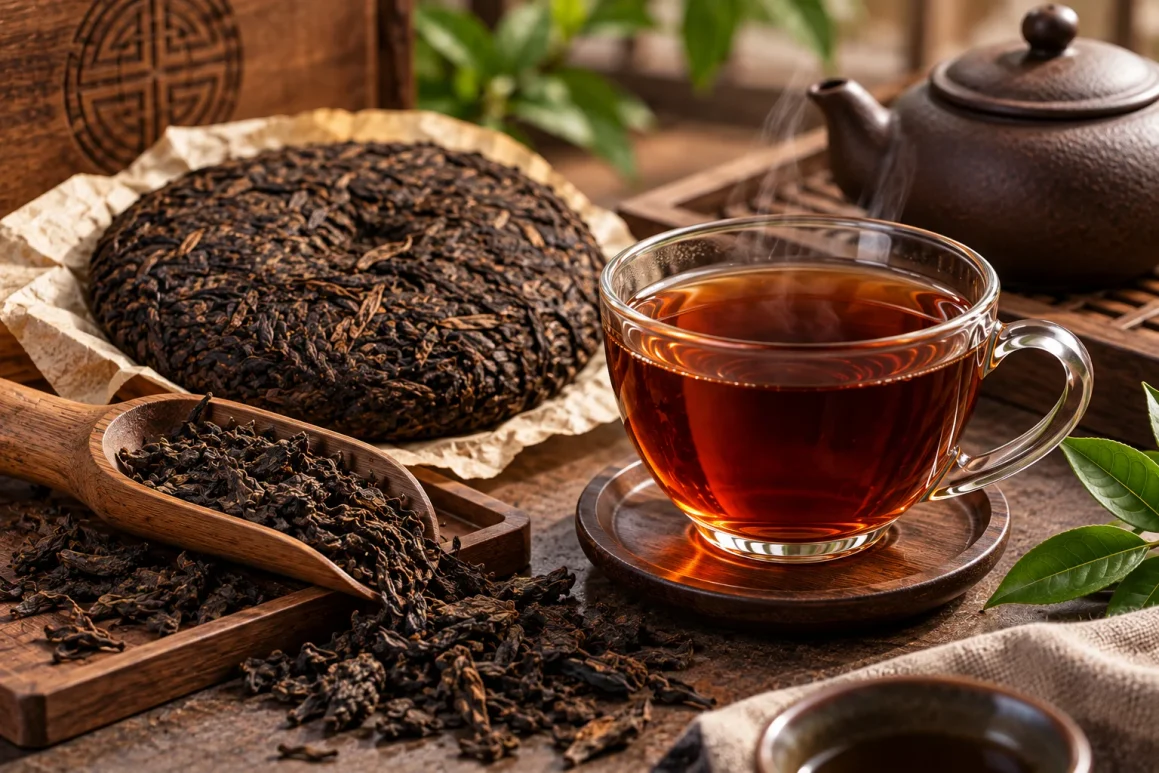
Pu-erh tea is a traditional Chinese tea made from Camellia sinensis. It is known for its post-fermentation or microbial aging processes, which make it different from most green, black, white, and oolong teas. Pu-erh is commonly divided into raw (sheng) and ripe (shou) styles. Encyclopaedia Britannica – Tea
Raw pu-erh is produced with relatively limited post-fermentation processing and can change in character as it ages. Ripe pu-erh undergoes an accelerated fermentation process that produces a darker tea with a deeper, smoother character.
The flavor of pu-erh can range from earthy, woody, and rich to mellow, fruity, or slightly sweet. It also contains caffeine, although the amount varies depending on the tea, leaf quantity, age, and brewing method.
Pu-erh is commonly brewed with hot water and can often be steeped several times. Shorter infusions can produce a lighter cup, while longer steeping generally creates a stronger flavor.
9. Herbal Tea
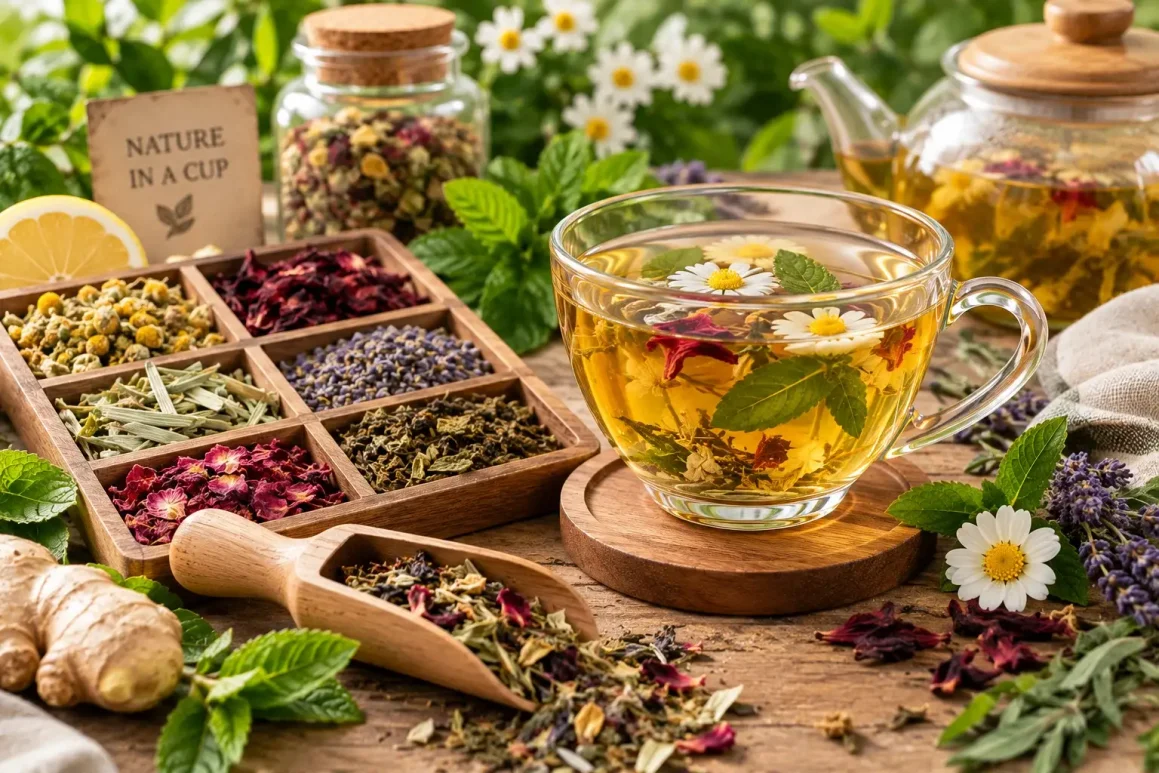
Herbal teas are generally infusions made from herbs, flowers, roots, fruits, spices, or other plants rather than Camellia sinensis. This means chamomile, peppermint, ginger, hibiscus, rooibos, tulsi, lemon balm, lemongrass, lavender, nettle, dandelion, turmeric, fennel, rose, butterfly pea, and moringa are not true teas in the botanical sense. They are commonly called herbal teas because they are prepared in a similar way. NCCIH – Herbs at a Glance
Herbal infusions can have very different flavors. Chamomile and lavender are commonly associated with floral notes, peppermint has a cooling mint flavor, ginger and turmeric are warming and spicy, while hibiscus is noticeably tart. Rooibos has a naturally sweet and nutty character. Most single-ingredient herbal infusions are naturally caffeine-free, although blended products may contain caffeinated ingredients.
The traditional uses of herbal teas also vary widely, but traditional use should not be confused with proven medical benefits. Some herbs can interact with medicines or may not be suitable for everyone, including certain people who are pregnant or breastfeeding. Safety depends on the specific herb, amount, preparation, and individual circumstances.
For this reason, herbal teas should be considered individually rather than as one single category. When discussing a specific herb on TeaTurbo, link to its dedicated article and include reliable safety information from an authoritative source.
Like: Chamomile Tea, Peppermint Tea, Ginger Tea, Hibiscus Tea, Tulsi Tea, Rooibos Tea, Lemon Balm Tea, Lemongrass Tea, Lavender Tea, Nettle Tea, Dandelion Tea, Turmeric Tea, Fennel Tea, Rose Tea, Butterfly Pea Tea, and Moringa Tea
10. Matcha
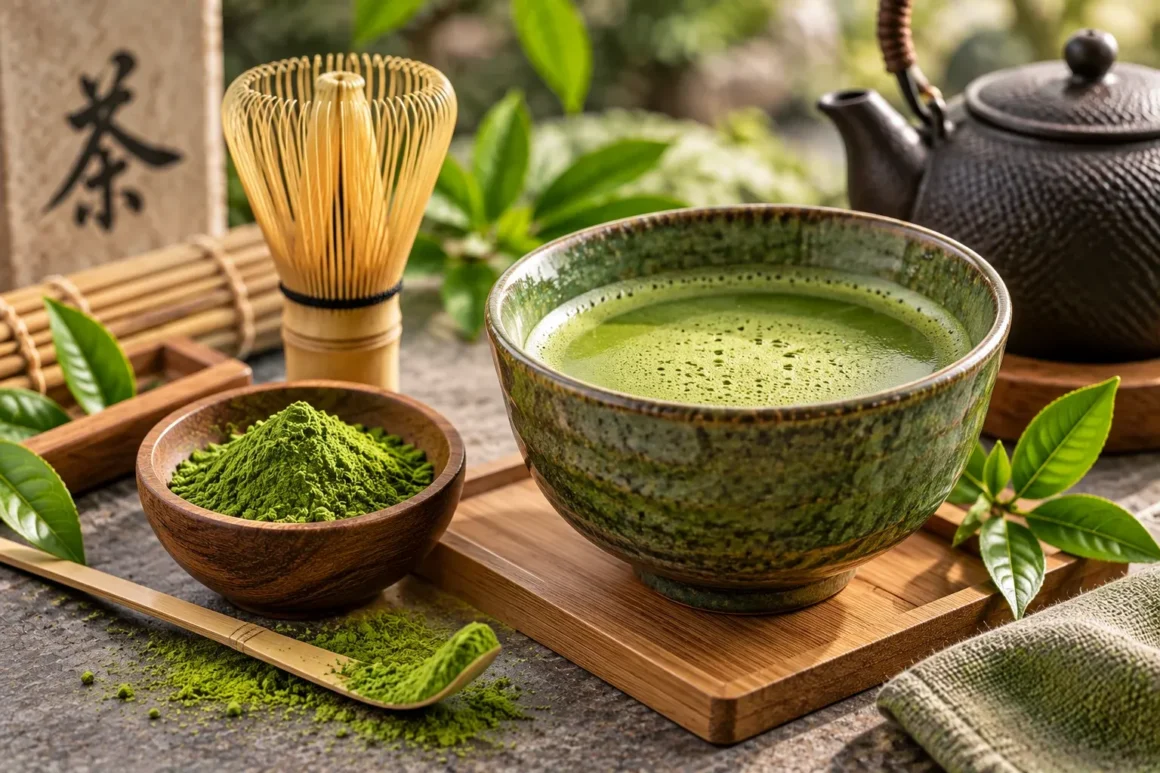
Matcha is a type of green tea made from specially grown tea leaves that are processed into a fine powder. Unlike ordinary green tea, where the leaves are infused and removed, matcha powder is whisked into water and consumed as part of the drink. Japan Tea Export Promotion Council
Before harvesting, matcha tea plants are typically shaded for a period, then the leaves are steamed, dried, and processed into tencha, which is finally ground into a fine powder. Matcha is commonly divided into ceremonial and culinary grades, although these terms are largely used for commercial and product descriptions rather than a universal official grading system.
Matcha has a rich, vegetal, slightly bitter, and umami-like flavor. Because the whole powdered leaf is consumed, matcha naturally contains caffeine and other compounds found in the tea leaf. The amount varies depending on the serving size and product. NCCIH – Green Tea
To prepare matcha, sift the powder into a bowl, add hot water, and whisk until it becomes smooth and lightly frothy. Avoid using boiling water, as very high temperatures can make the flavor harsher.
11. Specialty and Popular Tea Drinks
Tea is also used to make many popular drinks that are better understood as prepared beverages rather than separate tea types. The same tea leaves can be combined with milk, spices, sugar, ice, herbs, or other ingredients to create a completely different drink.
Masala chai is typically made with black tea, milk, and spices such as cardamom, cinnamon, ginger, or cloves. Milk tea is a broader category that can include different tea bases and preparation styles. Iced tea simply refers to tea served chilled, while bubble tea or boba commonly combines tea with milk or fruit flavors and chewy tapioca pearls.
Regional drinks also have their own traditions. Thai tea is commonly prepared with strong black tea and milk, while Moroccan mint tea traditionally combines green tea with fresh mint and sugar. Hong Kong milk tea is known for its strong black tea base and smooth milk texture. A chai latte is another modern milk-based tea drink.
Kombucha is different from these simple tea beverages because it is a fermented drink made using sweetened tea and a culture of microorganisms. It is therefore useful to distinguish between the type of tea used and the finished beverage made from it.
12. Flavored and Blended Teas
A tea blend combines two or more ingredients to create a particular flavor, aroma, or style. The base may be black, green, white, or another true tea, while additional ingredients can include spices, flowers, fruits, herbs, or natural flavorings.
Earl Grey is a familiar example of flavored tea, traditionally made by adding bergamot flavor to a tea base. English Breakfast is generally a blend of black teas, while masala chai blends commonly combine black tea with spices such as cardamom, cinnamon, ginger, and cloves.
Other blends may focus on fruit, flowers, or spices. Their flavor depends on the tea base, ingredients, proportions, and preparation method. Some blends contain caffeine when they use Camellia sinensis, while blends made entirely from caffeine-free herbs or other ingredients may naturally contain no caffeine.
Blended tea is different from single-origin or single-estate tea, which is associated with tea produced from a particular geographic area or estate. A blend can combine teas or ingredients from different sources to achieve a consistent flavor profile.
13. Tea Types by Caffeine Content
The caffeine content of tea varies considerably, so it is better to use broad categories rather than assume that one tea always contains more or less caffeine. Matcha, black tea, oolong, green tea, white tea, and pu-erh all contain caffeine because they come from Camellia sinensis. Herbal infusions such as chamomile, peppermint, and rooibos are generally caffeine-free when they contain no caffeinated ingredients.
| Tea type | Typical caffeine level | Key point |
|---|---|---|
| Matcha | Higher | Whole powdered leaf is consumed |
| Black tea | Moderate–high | Amount varies by preparation |
| Oolong | Moderate | Wide variation between teas |
| Green tea | Low–moderate | Caffeine can vary considerably |
| White tea | Variable | Not always the lowest in caffeine |
| Pu-erh | Variable | Depends on tea and brewing |
| Herbal infusions | Usually none | Depends on the ingredients |
These categories are only a general guide. Tea variety, leaf quantity, serving size, water temperature, and steeping time can all change the amount of caffeine in the finished drink. Research has found substantial differences even among commercial teas of the same category.
If you are sensitive to caffeine, check the product information and consider your total daily intake. The FDA notes that caffeine sensitivity varies between people and that decaffeinated tea is not completely caffeine-free.
14. Tea Types by Taste
Tea flavor can range from light and floral to bold, smoky, earthy, minty, or tart. The final taste depends on the tea type, cultivar, origin, processing method, and brewing technique. Use the guide below to explore teas based on the flavor you prefer.
| Flavor profile | Teas to explore |
|---|---|
| Floral | White tea, jasmine tea, some oolongs |
| Grassy / Fresh | Green tea, Sencha |
| Malty / Strong | Assam, black tea, breakfast blends |
| Smoky | Lapsang Souchong |
| Earthy | Pu-erh |
| Minty / Cooling | Peppermint |
| Fruity / Tart | Hibiscus, fruit blends |
There is no single flavor profile for an entire tea category. For example, green teas can range from grassy and vegetal to nutty and sweet, while oolong teas can be floral, fruity, roasted, or creamy. Brewing also affects how strong particular flavors become.